Seeing large ants around your home can feel frustrating. You may notice them near tree stumps, decks, or wooden structures. A carpenter ant infestation often starts outside. If ignored, it can spread into wall voids and damage structural wood. Carpenter ants create nests inside wood and weaken it over time. Early action helps prevent costly repairs. Understanding carpenter ants is the first step toward effective control.
Top Choice Pest Control helps homeowners and businesses identify carpenter ants and stop future infestations with proven carpenter ant pest control solutions.
Table of Contents
What are carpenter ants?
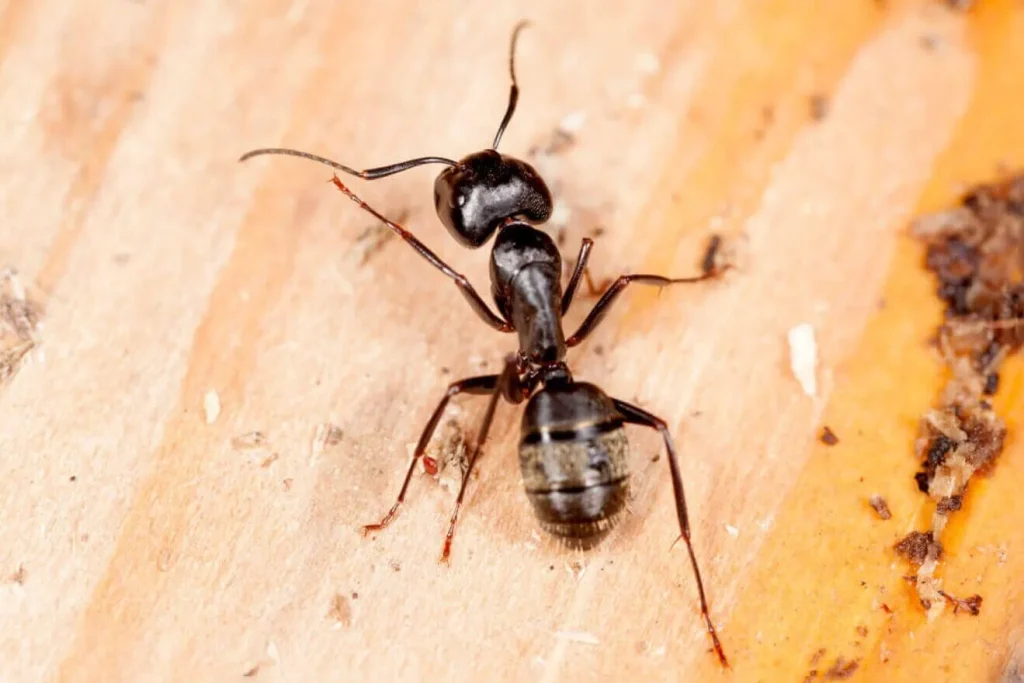
Carpenter ants are one of the largest ant species found near homes. Black carpenter ants appear most often. They differ from other ants in size and shape. They have straight antennae and a narrow waist.
To identify carpenter ants, look for large worker ants moving in lines. You may also see winged ants during spring. These winged ants signal a mature colony nearby. Carpenter ants live in wood structures and natural areas such as tree limbs and tree branches.
They do not eat wood like termites. Instead, they excavate wood to create nests. This process leaves wood shavings near nesting sites.
What carpenter ants eat?
Many people ask what carpenter ants eat. Carpenter ants feed on sweet foods found outdoors. They also consume animal matter and other insects.
Worker ants travel far from the carpenter ant nest to search for food. These foraging workers return to the parent colony once they find a food source. Sweet foods and moisture attract carpenter ants to patios and yard spaces.
Carpenter ants prefer moist wood for nesting. Damp or damaged wood, decaying wood, and rotting wood make it easier for them to excavate wood and create nests.
Carpenter ant nest
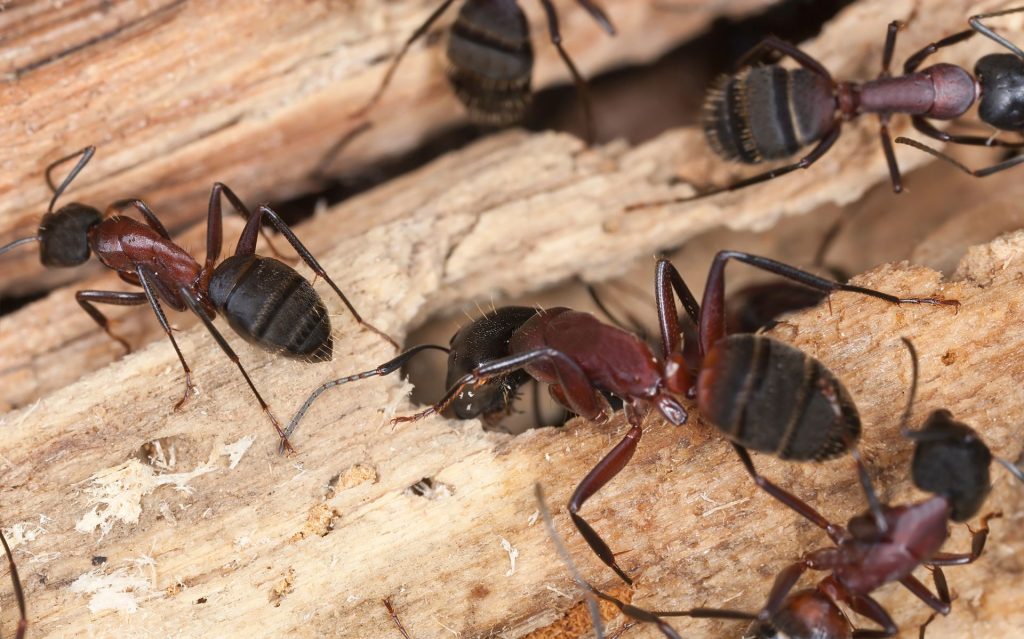
A carpenter ant nest may sit in tree stumps, tree limbs, or other nesting sites outside. The outdoor colony often forms in moist wood near a home. Carpenter ants build nests in hollow spaces within wood structures.
Over time, a parent colony may create satellite nests. These satellite colonies spread across the yard and into wall voids. If you find carpenter ants outside, inspect nearby wood structures for hollow sounding wood.
Remove wood debris and store firewood away from the house. These steps reduce nesting sites and lower carpenter ant activity.
What are black carpenter ants?
Black carpenter ants rank among the largest ants you will see around a property. They often signal a carpenter ant problem when found indoors.
Winged ants may appear during warmer months. These winged ants indicate an active colony nearby. When you notice repeated ant activity, inspect for wood shavings near hollow doors or damp wood.
Early identification helps prevent further damage to sound wood and structural wood.
Carpenter ant removal
Carpenter ant removal requires more than surface sprays. To get rid of carpenter ants, you must locate the active colony. Many homeowners try boric acid or diatomaceous earth. These products may reduce visible ants. They rarely eliminate the parent colony or satellite colonies.
Professional pest control services provide full carpenter ant removal. A professional ant exterminator inspects nesting sites and tracks foraging workers. They treat the outdoor colony and hidden nests.
This approach helps effectively control carpenter ants and protect wood structures from further damage.
Ant infestation
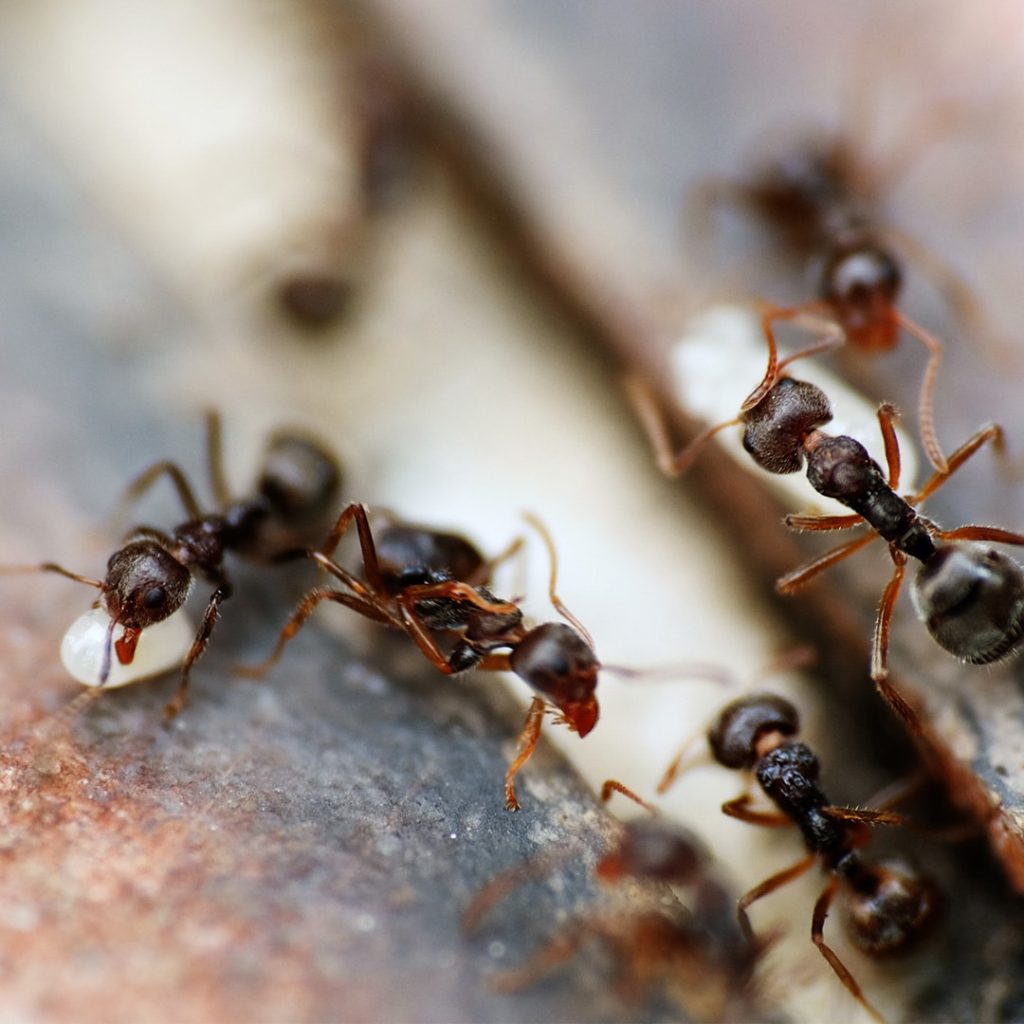
An ant infestation often begins outside. Carpenter ants establish nests in moist wood and damaged wood. From there, they expand toward homes.
Seal cracks around foundations and windows to prevent ants from entering. Trim tree branches that touch the house. Remove wood in contact with soil. These steps help prevent ants from creating nests near your home.
Ignoring carpenter ant activity allows colonies to grow. Damaged wood becomes hollow spaces. Over time, this weakens wooden structures.
How to get rid of carpenter ants?
To get rid of carpenter ants, start with inspection. Look for wood shavings and hollow sounding wood. Track worker ants at night to find carpenter ants returning to the nest.
Remove wood debris and repair damp or damaged wood. Improve drainage to reduce moist wood around the property.
If the colony persists, contact a professional ant exterminator. Professional pest control offers targeted ant control that addresses the entire colony.
Where do Carpenter ants live?
Carpenter ants live in both natural and built environments. They create nests in tree branches, tree stumps, and wood structures. They prefer moist wood but may move into sound wood if needed.
Understanding carpenter ants helps prevent future infestations. Remove wood debris. Store firewood away from the house. Keep yards clean of decaying wood.
A proactive plan reduces the risk of another carpenter ant infestation.
Effective ant control?
Effective ant control combines inspection, removal of attractants, and targeted treatment. Identify the carpenter ant nest. Remove sweet foods and animal matter from outdoor areas.
Seal cracks and entry points. Monitor ant activity after treatment.
Professional pest control near me searches often lead homeowners to Top Choice Pest Control. Licensed experts provide safe solutions and quick response. They understand how carpenter ants build nests and how to eliminate satellite colonies.
Ant exterminators
Ant exterminators use experience and tools to manage carpenter ant activity. They inspect wall voids and nesting sites. They treat both the parent colony and satellite colonies.
Professional pest control services focus on long term protection. They guide you on how to store firewood and remove wood debris. They help protect structural wood from future infestations.
Choosing trained experts ensures the carpenter ant problem gets resolved fully.
FAQs
How do I identify carpenter ants outside?
Look for large black carpenter ants with straight antennae. Check for wood shavings near moist wood or hollow sounding wood.
Do carpenter ants eat wood?
No. Carpenter ants eat sweet foods and other insects. They excavate wood to create nests but do not consume it.
What attracts carpenter ants to my yard?
Moist wood, decaying wood, sweet foods, and wood debris attract carpenter ants.
Can I remove a carpenter ant nest myself?
DIY methods may reduce worker ants. They rarely eliminate the parent colony or satellite colonies. Professional carpenter ant removal works best.
How can I prevent future infestations?
Seal cracks, remove wood debris, store firewood away from the home, and fix damp or damaged wood. Regular inspection helps prevent ants from creating new nests.
Conclusion
Carpenter ants can weaken wooden structures over time. Early inspection and targeted ant control protect your property. Professional carpenter ant pest control addresses the full colony and prevents future infestations.
Protect your home today—book a free pest inspection with Top Choice Pest Control and take control of your carpenter ant problem.