Wasps create fear for homeowners in southern ontario. These stinging insects ruin backyard fun. They build nests near doors and windows. A single wasp can sting multiple times. This differs from honey bees. Bees often die after one sting. Wasps stay aggressive. They protect their wasp colonies with force. Many people have allergic reactions to these stings. This creates major health risks for your family. You need a pest free home to feel safe. Professional wasp nest removal helps safely eliminate wasp nests from your property while reducing the risk of painful stings and future infestations.
Pest problems start small in early spring. You might see a few wasps near wooden structures. These are likely queens starting new wasp nests. They look for wall voids or tree branches. They also like hollow trees and wall cavities. Ignoring a small nest is a mistake. Wasp activity grows fast. The best time to control wasps is in early summer when colonies are small and less aggressive. By early summer, you have a wasp infestation. Large colonies hold thousands of wasps. This becomes a significant nuisance for any property.
Table of Contents
Common Signs of a Wasp or Bee Infestation
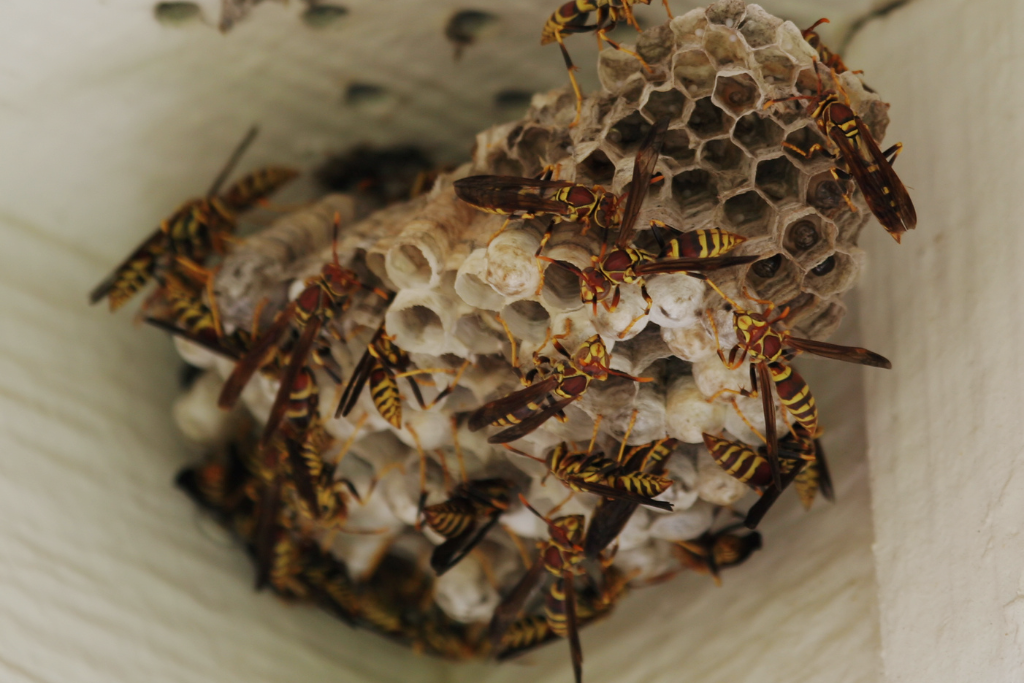
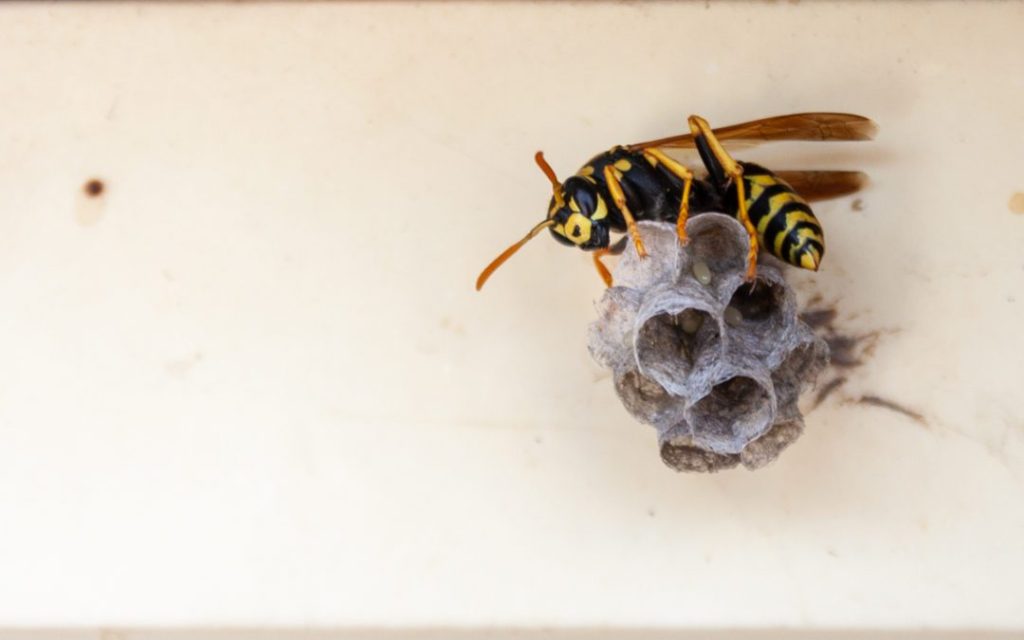
You must identify wasps before you act. Look for flying patterns near your roof. Wasps often fly in straight lines to nesting sites. Check your fruit trees and food waste bins. Wasps eat other insects and sugar. Look for paper wasps under your deck. These nests look like grey umbrellas. Yellow jackets often hide in the ground or wall cavities.
Unlike bees, wasps do not make honey. Bee removal is different because bees are beneficial pollinators. We often work with local beekeepers for honey bees. However, a hornet infestation requires immediate wasp removal. You might see mud tubes or paper structures. These are signs of active nests. Do not touch them.
Dangers of DIY Wasp Nest Removal
Many people try to remove a wasp nest alone. This is dangerous. Wasps protect their life cycle. They swarm when they feel vibrations. Multiple stings can lead to hospital visits. Homeowners often use the wrong spray. This makes the wasps angry. They may fly into your house through open vents.
Professional wasp nest removal is the only safe choice. Highly skilled technicians have the right gear. We use thick suits to prevent stings. We also use effective pest control solutions. These tools reach deep into wall voids. DIY methods often fail to kill the entire colony. The wasps simply return to the same location.
What tools do I need to remove a wasp nest?
You need specialized equipment for safe removal. Licensed technicians use heavy-duty bee suits. These suits cover every inch of skin. We use long-range aerosol applicators. These tools keep us at a safe distance. We also use dust formulations for wall cavities.
You might need ladders for nests on tree branches. Working on a ladder with stinging insects is risky. One sting can cause a fall. We also use thermal cameras. These cameras find large colonies behind drywall. Standard hardware store tools lack this power.
When is the best time to remove a wasp nest?
Timing is vital for effective wasp nest removal. We suggest treating nests early in the morning. Wasps are less active when it is cool. They are all inside the nest at night. This ensures we catch the whole colony.
Treating wasps nest early in the year is best. Smaller nests are easier to handle. Wasp removal services are busy in late summer. This is when colonies are at their peak. Do not wait until the nest is the size of a basketball.
Are there any natural remedies for wasp nests?
Some people use peppermint oil or soap water. These might kill a few wasps. They do not stop an entire wasp infestation. Natural sprays lack residual power. Wasps in the field will return and rebuild.
Some suggest hanging fake nests. This aims to trick wasps into moving. This rarely works for active nests. Professional wasp control is more reliable. We use products approved by Health Canada. These are safe for your home when used correctly.
How can I prevent wasps from building nests?
Preventative measures save you money. Seal entry points in your siding. Use mesh screens on vents. Keep food waste in sealed bins. Wasps love protein and sugar.
- Reduce nesting sites by filling holes in the ground.
- Clean up fallen fruit from fruit trees.
- Paint or stain wooden structures.
- Schedule a comprehensive inspection in early spring.
- Keep your home protection plan active.
Cost of Wasp Nest Removal?
Wasp nest removal barrie pricing varies by location. A standard nest on a first-floor eave is affordable. Nests inside wall voids cost more. These require more time and special dusts.
Emergency services might have extra fees. It is cheaper to treat nests early. Most residential pest control services offer free quotes. We provide a thorough inspection to give an exact price. Investing in professional help prevents medical bills from stings.
Why Choose Top Choice Pest Control, Barrie?
Barrie residents trust our licensed technicians. We know the many species of wasps in Richmond Hill and the Barrie area. Our team uses comprehensive pest management solutions. We do more than just spray. We find why wasps chose your home. Our highly skilled technicians understand bee behaviour, wasp activity patterns, and the life cycle of various stinging insects to provide effective nest removal while minimizing risks.
We offer emergency services for dangerous situations. Our highly skilled technicians treat your home with respect. We look for carpenter ants and carpenter bees too. We protect your property from all stinging insects including bees and wasps. Choose us for effective wasp nest removal and peace of mind.
FAQs
Is a wasp nest the same as a bee hive?
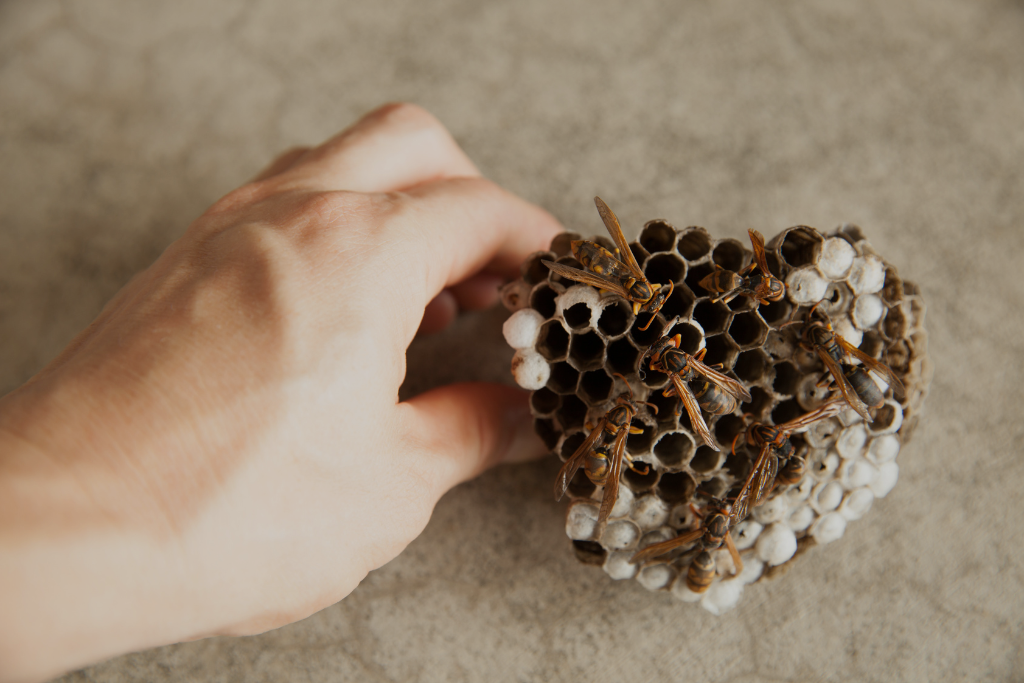
No. Wasp nests are made of paper or mud. Bee hives are made of wax. We offer both wasp removal and bee removal services.
Can wasps sting through clothes?
Yes. Normal clothes do not protect you. Our technicians wear specialized suits to stay safe.
Will wasps return to an old nest?
Many wasp species do not reuse old nests. However, they like the same location. We clean the area to prevent new nests.
Are yellow jackets wasps?
Yes. Yellow jackets are a type of aggressive wasp. they often nest in the ground or wall voids.
Can you relocate honey bee colonies instead of destroying them?
Yes, professional beekeepers and pest control experts can safely relocate honey bee colonies. They work with all bee species.
Conclusion
A wasp nest is a threat to your peace. Do not risk multiple stings today. Professional wasp nest removal is fast and safe. We have the tools to protect your family. Our team handles bee or wasp issues with ease. We respect beneficial species while removing pests.
Prevent Painful Stings – Call Top Choice Today!
Get expert bee and wasp removal services at cost-effective prices. Protect your home today—book a free pest inspection.