Spiders are one of those pests that quickly make a home or business feel uncomfortable. Even people who understand that spiders help control insects often struggle when they see webs in corners, spiders crawling across walls, or worse—finding venomous species in living or working spaces. While a single spider may not seem like a serious issue, repeated sightings often point to a larger pest problem that should not be ignored.
The best pest control for spiders is not just about killing what you see. It is about proper inspection, identifying entry points, eliminating food sources, and creating a long-term, pest-free environment.
Why Spiders Invade Homes and Businesses

Spiders do not enter properties randomly. They are drawn indoors by insects such as flies, mosquitoes, beetles, silverfish, and even bed bugs. When spiders find a steady food supply, they settle in and begin building webs in quiet, undisturbed areas.
Homes and commercial properties with gaps around doors, cracks in foundations, cluttered storage areas, or moisture problems are especially vulnerable. In regions across Canada, including Toronto, Barrie, Simcoe County, Orillia, Collingwood, Wasaga Beach, and Owen Sound, seasonal changes often push spiders indoors seeking warmth and shelter.
Common Spider Species Found Indoors
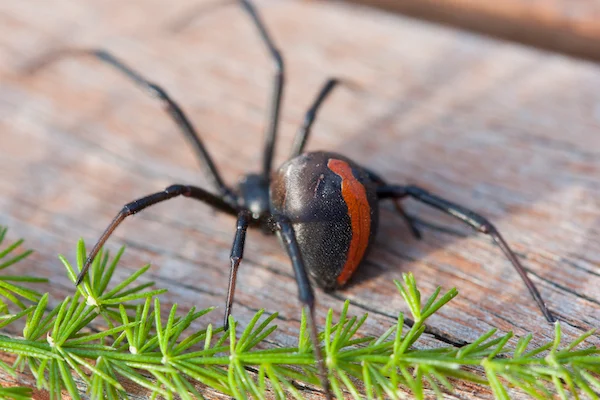
Not all spider species are dangerous, but some can pose risks. House spiders are common and often go unnoticed until webs accumulate. However, species such as black widows and brown recluse spiders raise serious concerns due to their venom.
Brown recluse spiders and black widows prefer dark, quiet areas such as basements, crawl spaces, storage rooms, garages, and behind furniture. Their presence is a strong signal that professional spider extermination services are needed.
The Risks of Ignoring a Spider Infestation
Ignoring spiders can lead to more than just fear or discomfort. Spider infestations often indicate underlying pest issues involving insects, rodents, or wildlife. Where spiders thrive, other pests such as mice, rats, cockroaches, fleas, and carpenter ants are often present as well.
For homeowners, spiders can affect quality of life and create anxiety. For business owners, spider webs and pest activity can damage reputation, violate health standards, and disrupt daily operations—especially in offices, retail spaces, and commercial buildings.
Signs You Need Spider Control Services
Seeing occasional spiders is normal, but repeated sightings are not. Webs appearing regularly in corners, near ceilings, around windows, and in basements suggest ongoing activity. Egg sacs, increased insect presence, and spiders appearing during daylight hours are additional warning signs.
Professional inspection is essential to determine whether spiders are nesting inside walls, attics, or crawl spaces and whether other pests are contributing to the problem.
DIY Spider Control: Why It Rarely Works
Many homeowners attempt spider control using sprays, traps, or frequent web removal. While these methods may reduce visible spiders temporarily, they do not address the root cause. Spiders return as long as food sources and entry points remain.
DIY treatments also fail to reach high-activity areas such as wall voids, cracks, and crevices where spiders hide. Without a structured treatment plan, infestations often worsen over time.
Professional Pest Control for Spiders
The best pest control for spiders involves a professional, step-by-step process. Professional pest control services begin with thorough inspection procedures to identify spider species, nesting areas, and entry points. This allows technicians to apply targeted treatments rather than relying on surface sprays alone.
Professional pest control methods focus on spider elimination, insect control, and preventative maintenance. This integrated approach ensures long-term protection instead of short-term relief.
Interior and Exterior Spider Treatments
Effective spider control requires both interior and exterior treatment. Interior treatments focus on high-risk areas such as basements, attics, crawl spaces, storage rooms, and behind appliances. Crack and crevice treatment targets hiding spots where spiders retreat during the day.
Exterior treatment is equally important. Foundation spray around the perimeter of the property helps stop spiders from entering in the first place. Entry point sealing, including gaps around doors, windows, and utility lines, provides an added layer of protection.
Spider Control and Other Pest Issues
Spiders rarely exist alone. Professional pest control often reveals related pest issues such as rodents, mice, rats, silverfish, earwigs, mites, and beetles. Wildlife such as squirrels, raccoons, skunks, bats, birds, and pigeons can also contribute to pest invasion by creating entry points or nesting areas.
Addressing spider problems without handling these related pests limits the effectiveness of treatment. That is why comprehensive pest control services deliver better results than single-purpose solutions.
Residential and Commercial Spider Control
Residential properties require tailored spider control solutions that protect families, pets, and living spaces. Eco-friendly treatments are often preferred in homes while still delivering effective pest elimination.
Commercial pest control for spiders focuses on discretion, safety, and compliance. Offices, warehouses, retail spaces, and business establishments benefit from preventative strategies that reduce downtime and maintain a professional environment.
Eco-Friendly Spider Control Options
Modern spider control does not rely solely on harsh chemicals. Eco-friendly approaches focus on targeted applications, exclusion methods, and reducing insect populations that attract spiders.
Professional pest exterminators use advanced techniques that balance effectiveness with environmental responsibility, ensuring treatments are safe for people and pets while still eliminating pests.
Long-Term Protection Through Preventative Measures
The most effective spider control includes preventative maintenance. This involves regular inspections, entry point sealing, web removal, and monitoring of high-risk areas. Preventative strategies reduce the likelihood of future infestations and help maintain a pest-free environment year-round.
Home maintenance plays an important role as well. Reducing clutter, managing moisture, and addressing structural issues all contribute to long-term spider prevention.
Social Proof: Why Licensed Experts Matter
Professional Pest Control is most effective when delivered by licensed pest specialists trained in pest identification, species identification, and safe application methods. Quick response times, proper inspection services, and customized treatment plans make a significant difference in results.
Top Choice Pest Control uses advanced detection methods, safe products, and proven pest control techniques to deliver reliable spider control across residential and commercial properties.
Why Spider Control Is a Smart Investment
While some homeowners hesitate due to cost concerns, professional spider extermination services often save money in the long run. Early intervention prevents larger infestations, reduces damage, and eliminates the need for repeated DIY treatments that rarely work.
Investing in professional pest control services protects property value, health, and peace of mind.
Conclusion: Take Control of Spider Problems Today
Spiders may seem harmless at first, but ongoing spider activity is a sign of deeper pest issues that require professional attention. The best pest control for spiders focuses on inspection, elimination, prevention, and long-term protection—not just removing webs.
If spiders are invading your home or business, do not wait for the problem to grow. Protect your property today—book a professional pest inspection with Top Choice Pest Control and take the first step toward a safer, pest-free environment.