TOP CHOICE PEST CONTROL | BARRIE, ONTARIO
Key Takeaways
✔ Raccoon in the attic cause structural damage — torn insulation, chewed wiring, and contaminated feces.
✔ Raccoons are a rabies vector species. Up to 70% carry Baylisascaris procyonis roundworm.
✔ Spring is prime birthing season (April–July). Never seal entry points until all raccoons — including babies — have left.
✔ One-way doors are the legal, humane standard for raccoon removal in Ontario.
✔ Ontario law prohibits relocating raccoons more than 1 km from the capture site.
✔ Professional raccoon removal services handle sealing, cleanup, and prevent re-entry safely.
Introduction
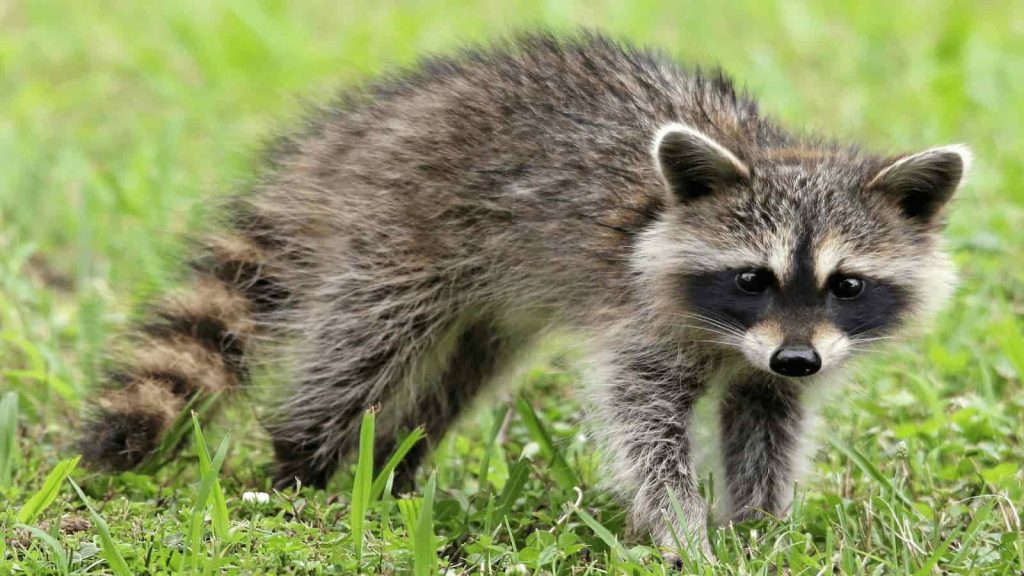
A raccoon in the attic is one of the most damaging and disruptive wildlife problems any house in Southern Ontario can face. Raccoons cause significant structural damage — tearing insulation, soiling attic spaces with hazardous feces, and chewing through electrical wiring creating fire risks. They carry rabies and parasites that pose real health risks to your family, dogs, and pets. This guide covers how to identify a raccoon infestation, understand the health and property risks, navigate Ontario’s raccoon removal rules, and choose the right wildlife removal approach to protect your home and family.
Signs You Have a Raccoon in the Attic
Raccoons in the attic are rarely subtle. Look for these warning signs early.
Sounds
Scratching and heavy thumping in the attic at night are the most common first signs. Raccoons are nocturnal. You may also hear chattering or cubs crying, particularly in spring.
Droppings and Feces
Raccoon droppings are large, dark, and tubular. Raccoon latrines accumulate in one attic area and pose serious health risks. Raccoon feces contaminate insulation and structure. Never handle droppings without proper personal protective equipment.
Damage and Entry Points
Inspect the roof for torn shingles, forced roof vents, damaged chimney flashing, and fascia gaps. Raccoons enter through roof vents, chimneys, and small cracks they force open. Significant structural damage can occur before discovery.
Odour
Raccoon urine soaks into insulation and wood, causing structural damage and a persistent ammonia odour. A strong smell from your attic or walls signals an established infestation.
Health and Property Risks from Raccoon in the Attic
Raccoon in the attic present serious health risks — from viral infection and rabies to roundworm contamination. Both domestic animals and wild animals in close contact with raccoon feces face exposure.
Rabies and Disease
Raccoons are a rabies vector species in Ontario. They can transmit rabies through bites or saliva contact. Raccoons can also introduce health risks like roundworm (Baylisascaris procyonis) — up to 70% of raccoons carry this parasite. Eggs in raccoon feces are highly resistant and can remain infectious in soil for years.
Structural Damage
Raccoons tear up insulation, chew electrical wiring, and soil attic spaces. Raccoon urine soaks into walls, causing costly repairs beyond the attic. Electrical damage creates a fire risk. The longer a raccoon problem goes unaddressed, the more extensive the damage.
Contamination
Cleaning raccoon feces requires precautions due to pathogen risk. Raccoon latrines accumulate hazardous feces across the entire home — attic joists, insulation, and wall cavities. Standard cleaners are not sufficient. Licensed professionals remove contaminated insulation and disinfect properly.
Ontario Raccoon Removal Rules — What Is Legal
Raccoon removal in Ontario is governed by the Fish and Wildlife Conservation Act, 1997. Knowing the rules helps you deal with the problem legally and solve it permanently without costly compliance issues.
What You Can Do
Property owners in Ontario may trap raccoons on their own property using a live trap. However, legal restrictions apply to trapping and relocating wildlife. You may only relocate a raccoon within 1 km of the capture site. Releasing a wild animal far from its territory is illegal and causes unnecessary suffering.
What Is Illegal
Sealing potential entry points while raccoons — or their babies — are still inside is illegal under Ontario law. Spring is prime birthing season for raccoons, particularly from April to July. Raccoons typically have a litter of 2 to 8 cubs every spring. Trapping a mother without accounting for babies causes serious harm and is not a humane approach.
The One Way Door Standard: Humane Raccoon Exclusion
The safest and most legally compliant approach for raccoon removal is humane exclusion using a one-way door. A one-way door allows raccoons to exit the attic but not re-enter. Do not seal entry points until you are certain all raccoons have left. Professional raccoon removal services install one-way doors, monitor exit, and then seal all potential entry points permanently.
How to Prevent Raccoons from Entering Your Attic
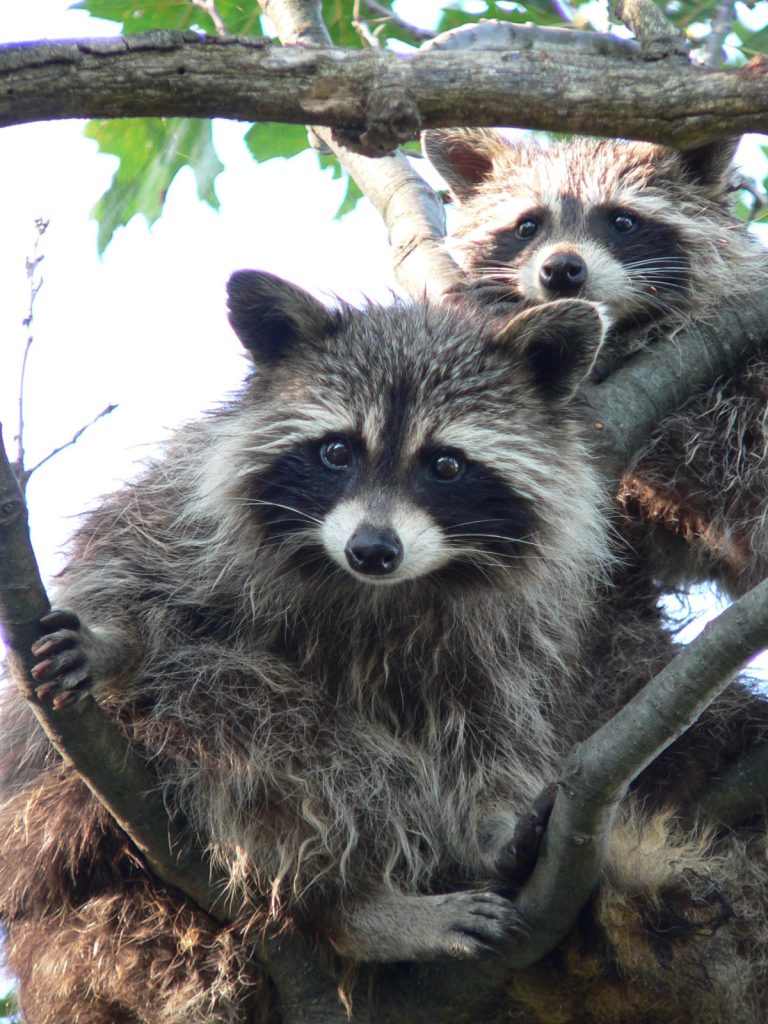
Wildlife control begins before raccoons become a nuisance. Most homeowners discover an infestation only after damage is done. These unwanted critters are less of a problem when you cut off ground-level food sources, garbage, and open access points early.
Seal Entry Points
Conduct thorough inspections of roofs and attics for potential entry points. Seal cracks and gaps with heavy-gauge wire mesh — raccoons force open weak materials. Install high-grade screening over roof vents and chimney openings. Heavy-duty wire mesh is the most durable long-term barrier.
Remove Food Sources
Raccoons thrive in city life because of accessible garbage cans, pet food, and compost. Secure garbage cans with tight-fitting lids. Never leave pet food outdoors overnight. Do not feed raccoons — it habituates them to human contact and is actively discouraged by Ontario wildlife authorities.
Trim Trees and Access Points
Raccoons use overhanging branches to access rooflines. Trim tree limbs within 3 metres of your roof. Inspect and reinforce fascia boards, soffits, and chimney flashing annually before spring.
Why Professional Raccoon Removal Services Are the Right Choice
Professional wildlife removal is advised for handling raccoons and their young. Wildlife removal companies specialize in raccoon problems — among the most common wildlife issues in Ontario. Attempting to remove raccoons without proper tools risks injury to you and the animal.
A licensed wildlife control company provides a customized plan for your raccoon problem: a thorough inspection of potential entry points, humane exclusion with a one-way door, confirmation all animals have exited, sealing of all access points, and decontamination. In York Region and Southern Ontario, professional raccoon removal services ensure full compliance with Ontario wildlife law.
🦝 Raccoon in Your Attic? Call Top Choice Pest Control — Humane Removal | Licensed | Free Estimate | York Region & GTA
Frequently Asked Questions — Raccoon in the Attic
How do I know if I have a raccoon in the attic vs mice or other animals?
Raccoon sounds are heavy and thumping — you will hear significant movement, not just light scratching. Raccoon droppings are large and tubular, unlike small mouse droppings. Raccoons create visible damage at entry points — forced roof vents, torn shingles, or bent chimney flashing. Mice removal requires different methods. If sounds are heavy and damage is visible at the roofline, contact wildlife control services for a professional inspection.
Is raccoon removal in Ontario legal without a professional?
Property owners may trap raccoons on their own property, but Ontario law restricts relocation to within 1 km of the capture site. Sealing entry points while raccoons are inside — including babies — is illegal. Raccoon removal services ensure compliance with the Fish and Wildlife Conservation Act. In York Region, professional wildlife removal prevents costly legal liability.
What Is a One-Way Door? How Does Humane Raccoon Removal Work?
A one-way door is a humane exclusion device installed over the raccoon entry point. It allows raccoons to exit but prevents re-entry — the standard humane approach used by licensed wildlife control in Ontario. Understanding raccoon behaviour is key: once a raccoon exits for food at night, the one-way door closes behind it. Every entry point is then sealed permanently.
Can raccoons make pets or family members sick?
Yes. Raccoons are a rabies vector species and can transmit rabies through bites or saliva contact. Approximately 50 to 60% of raccoons in Ontario carry Baylisascaris procyonis roundworm — dangerous to humans, domestic animals, dogs, cats, and pets. Raccoon feces remain infectious for years. Family safe removal and full decontamination by licensed pest control professionals is essential after any raccoon infestation.
How do I stop raccoons from coming back after removal?
To prevent re entry, seal all potential entry points with heavy-gauge wire mesh after the one-way door confirms all raccoons have exited. Secure garbage cans, bring pet food indoors, and trim branches within 3 metres of the roofline. Professional raccoon removal services include prevent re entry sealing in every customized plan — ask about ongoing wildlife control inspections.
Protect Your Home — Contact Top Choice Pest Control
A raccoon in the attic is a property and health emergency. Top Choice Pest Control provides raccoon removal services across Toronto, York Region, and Southern Ontario. QualityPro certified, 6-month guarantee.
📞 Call Top Choice Pest Control | 416-904-5351 | Raccoon Removal Services | Humane | Licensed | Free Estimate
Top Choice Pest Control | Barrie, Ontario | QualityPro Certified | 8× HomeStars Award | Licensed & Insured