In most residential tenancies in Ontario, the landlord is responsible for pest control — not the tenant. Under the Residential Tenancies Act, 2006 (RTA), landlords must maintain rental properties in a good state of repair and fit for habitation, and a pest infestation falls under that obligation. This guide explains what that duty covers, when a tenant may share responsibility, how the rules differ for commercial properties, and what to do if a landlord in Barrie is not responding to a pest problem. It is for both tenants and landlords navigating pest control responsibilities in Ontario.
Key Takeaways
- Under Section 20 of Ontario’s Residential Tenancies Act, 2006, landlords must maintain rental properties fit for habitation — pest infestations are a maintenance issue the landlord is generally required to address.
- A tenant may share or bear responsibility if their own conduct — poor sanitation, hoarding, or bringing in infested furniture — caused or materially contributed to the infestation.
- Tenants cannot legally withhold rent over a pest issue, but they can file a T6 application with the Landlord and Tenant Board (LTB) for a maintenance order and rent abatement.
- Commercial properties operate under different rules: Ontario has a Commercial Tenancies Act, but it says nothing about pest control — lease agreements govern those obligations.
- Bed bugs and rodents are among the most common household pests reported in Ontario rental properties, and both require professional treatment to resolve.
The Landlord’s Legal Obligation Under the RTA
Section 20(1) of Ontario’s Residential Tenancies Act, 2006 states that a landlord is responsible for providing and maintaining a residential complex — including the rental unit — in a good state of repair and fit for habitation, and for complying with health, safety, housing, and maintenance standards.
A pest infestation directly affects habitability. Whether the problem is bed bugs, mice, cockroaches, or carpenter ants, the presence of pests in a rental unit is treated as a maintenance deficiency that the landlord is obligated to remediate. This applies to both the rental unit itself and to common areas of the building.
The obligation exists regardless of what a lease says. A lease clause placing pest control on the tenant does not override the landlord’s statutory duties — such clauses are unenforceable under the RTA.
If a tenant reports a pest problem and the landlord does not respond within a reasonable time, the tenant has grounds to escalate through the Landlord and Tenant Board.
When the Landlord Is Responsible
The landlord’s responsibility for pest control is clearest in the following situations:
Pre-existing infestation: If pests were present before the tenant moved in, or if a building condition — gaps in the structure, deteriorating soffits — allowed pests to enter, responsibility sits with the landlord. A new tenant should document the unit’s condition at move-in, including any signs of pest activity.
Building-wide or multi-unit spread: Bed bugs, cockroaches, and mice routinely spread between units in multi-residential buildings. An infestation that originated in another unit or in the building’s common areas is a building management problem, not the individual tenant’s fault.
Common areas: Hallways, laundry rooms, garbage rooms, and parking structures are common areas the landlord controls. Pest activity in these spaces is unambiguously the landlord’s responsibility.
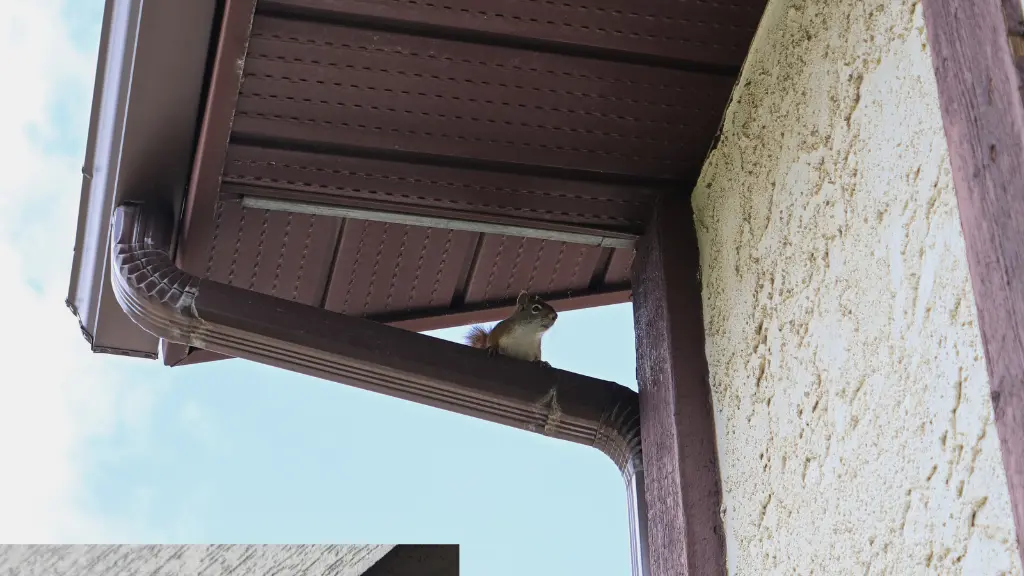
Structural entry points: If mice are entering through a foundation gap, or bats through a deteriorating soffit, the landlord is responsible for both pest removal and sealing the structural deficiency that allowed entry.
When the Tenant May Bear Responsibility
The RTA does not absolve tenants entirely. Section 33 requires tenants to maintain ordinary cleanliness in the unit. Tenants are also responsible for repairing damage they or their guests cause.
A tenant may bear partial or full responsibility for a pest infestation in the following situations:
Conditions created by the tenant: A rodent infestation driven by accumulated food waste, or a cockroach problem sustained by inadequate sanitation, may be attributed partly to the tenant’s conduct. The landlord may still be required to carry out treatment but may have grounds to pursue cost recovery.
Infested items brought into the unit: Bed bugs most commonly arrive on used furniture, luggage, or clothing. If a tenant introduces infested items, responsibility may be disputed at the LTB.
Failure to report promptly: Tenants who delay reporting a known pest issue risk contributing to its spread, which can complicate responsibility in a multi-unit building.
In disputed cases, the LTB assesses the specific facts, and both parties benefit from documenting the timeline and conditions that led to the infestation.

Commercial Properties: Different Rules Apply
The Residential Tenancies Act does not apply to commercial properties. Ontario has a Commercial Tenancies Act, but it is silent on pest control. For commercial tenants — retail, office, restaurant, or warehouse spaces — pest control responsibility is governed entirely by the lease agreement.
A well-drafted commercial lease specifies which party is responsible for pest prevention and treatment: the landlord covers the building structure and common areas while the tenant covers their leased space; the tenant is responsible for all pest control within the unit; or pest control is managed building-wide and costs flow through the operating cost (CAM charge) structure.
Commercial tenants uncertain about their obligations should review the specific lease language. Where the lease is silent, the parties negotiate or litigate — there is no statutory backstop the way the RTA provides for residential tenants.
Food-service businesses face additional obligations under Ontario’s Food Premises Regulation and local public health inspections, where pest-free conditions are a compliance requirement regardless of the lease.
What Tenants Can Do If a Landlord Is Not Responding
If a landlord in Barrie refuses to address a pest infestation, tenants have several options:
Put the request in writing: Email or letter creates a paper trail. A verbal complaint that goes unacknowledged is harder to document before the LTB.
Contact the local property standards office: The City of Barrie enforces property standards bylaws. A complaint can trigger an inspection and, if a violation is found, an order requiring the landlord to remediate.
File a T6 application with the Landlord and Tenant Board: The T6 is a tenant application about maintenance. A successful T6 can result in an order requiring specific repairs or treatments, plus a rent abatement — a reduction in rent already paid — for the period the unit was not properly maintained.
Tenants should not withhold rent in response to a pest problem. Withholding rent gives the landlord grounds to file an N4 notice for non-payment, which can proceed to eviction regardless of the underlying maintenance dispute.
Common Pests in Barrie Rental Properties
Barrie’s climate and housing stock create specific pest pressures that landlords and tenants regularly encounter.
Mice and rats: Mice enter through gaps as small as a dime; rats require a gap roughly the size of a quarter. Both are active year-round in Ontario. Older buildings in Barrie with deteriorating foundations and unsealed crawl spaces are particularly prone to rodent entry. Rodent control involves sealing access points, setting traps, and strategic bait placement — rodents also damage insulation as they nest.
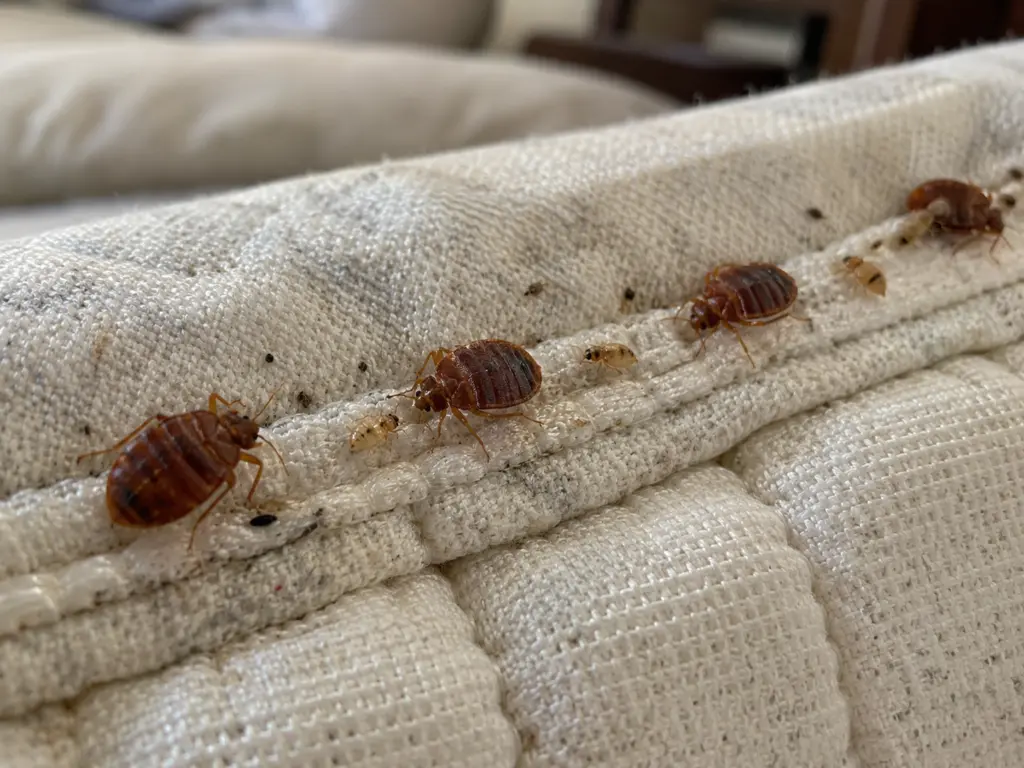
Bed bugs: Bed bugs spread readily between units in multi-residential buildings and require professional treatment — heat treatment or insecticide application — followed by a follow-up inspection to confirm the infestation is resolved.
Cockroaches: Cockroach infestations in multi-unit buildings require coordinated treatment across affected suites using gel baits and growth regulators.
Carpenter ants: Carpenter ants are drawn to moisture-damaged wood. In rental properties with moisture issues — plumbing leaks or inadequate ventilation — they establish nests in wall voids and framing. The underlying moisture problem is a structural maintenance issue the landlord must address alongside the pest treatment.
Wasps and bees: Wasp and bee nests in soffits, eaves, or wall voids of a rental structure are the landlord’s responsibility. Wasps become aggressive in late summer, and a nest attached to the building is a safety risk to tenants and pets.
What Professional Pest Control Involves
Licensed pest control in Ontario follows Health Canada’s Pest Management Regulatory Agency (PMRA) guidelines and the province’s Pesticides Act. Reputable companies use integrated pest management (IPM) principles — accurate identification, targeted treatment, and structural or sanitation recommendations to prevent reinfestation.
For landlords, engaging certified technicians creates a service record documenting that the issue was addressed — relevant if a tenant later files a T6 application. A thorough inspection precedes any treatment, and most infestations require more than one visit.
Top Choice Pest Control provides residential and commercial pest control services in Barrie and across Ontario, including bed bug control, rodent control, cockroach removal, ant control, bee and wasp removal, and wildlife removal.
Frequently Asked Questions
Who is responsible for bed bugs in a rental — landlord or tenant?
In Ontario, the landlord is generally responsible for treating a bed bug infestation, regardless of how it originated, because bed bugs affect the habitability of the unit. If the tenant introduced infested items, the landlord may seek cost recovery, but treatment is the landlord’s obligation under the RTA. Treatment typically requires a follow-up inspection to confirm the infestation is resolved.
Can a tenant be held responsible for a cockroach infestation?
Potentially, if the tenant’s sanitation contributed to the problem. However, cockroach infestations in multi-unit buildings typically indicate a building-wide issue rather than one tenant’s fault, and the landlord bears responsibility for coordinating treatment across affected units. The Landlord and Tenant Board looks at the full facts, including whether the building structure enabled the spread.
What can a tenant do if a landlord ignores a pest problem in Ontario?
A tenant can put the request in writing, file a complaint with the City of Barrie’s property standards office, and apply to the Landlord and Tenant Board using the T6 maintenance application. A successful T6 application can result in an order requiring treatment plus a rent abatement for the period the unit was not maintained to standard. Withholding rent is not recommended — it can lead to eviction proceedings.
Do commercial pest control rules differ from residential in Ontario?
Yes. The Residential Tenancies Act does not apply to commercial properties. In a commercial tenancy, pest control obligations are determined by the lease agreement. Food-service businesses face additional requirements under Ontario’s Food Premises Regulation and public health inspections, where pest-free conditions are a compliance standard regardless of what the lease states.
Pest Control for Barrie Landlords and Tenants
Whether you are a landlord managing a residential or commercial property or a Barrie resident dealing with an unresolved pest issue, Top Choice Pest Control provides inspections and licensed pest control services across Barrie, Vaughan, North York, and surrounding Ontario communities.
Call (416) 904-5351 or visit Top Choice Pest Control for a free estimate.