How to get rid of pantry pests is a question many homeowners ask after finding insects in stored food. Pantry pests can contaminate food products, spread through kitchen cabinets, and damage stored goods. What starts as a small problem can quickly become a larger infestation when insects continue breeding inside food packages. Pantry moths, beetles, weevils, and other pantry pests often remain hidden until adult insects appear throughout the kitchen. Pantry pests are almost always brought into the home in infested food packages. Understanding how pantry pests enter a home, where they hide, and how to eliminate them can help protect your food supply and prevent future infestations.
What are Pantry Pests?
Pantry pests are insects found in stored food products. They commonly infest grains, flour, cereals, nuts, dried fruits, spices, powdered milk, pet food, and dry goods.
The most common pantry pests include the indian meal moth, confused flour beetle, red flour beetle, rice weevils, flour moths, pantry beetles, and other species that feed on stored products.
Unlike pests that invade homes from outdoors, pantry pests often arrive inside food packages purchased from stores. Even unopened packages may contain eggs or larvae that develop later inside the home.
Because these insects have a short life cycle and reproduce quickly, infestations can spread throughout a pantry in a short period.
Common Pantry Pests
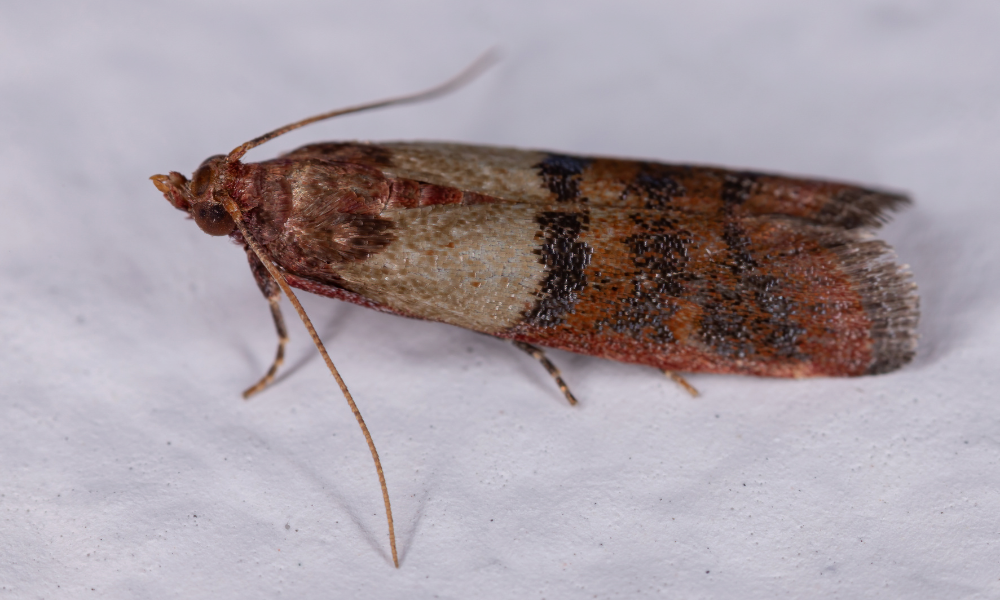
The indian meal moth is one of the most common pantry pests found in homes. Adult moths have wings with a light gray section and a dark brown outer section. Male moths and females both lay eggs near food sources.
After eggs hatch, moth larvae begin feeding on grains, flour, dried food products, nuts, seeds, pet food, and other stored foods. Only the larvae damage food. Adult moths do not feed.
The confused flour beetle and red flour beetle are small beetles that infest grain products and flour. These pantry beetles have a reddish brown appearance and often gather around stored foods.
Rice weevils commonly infest rice, grains, and other dry foods. Their larvae feed inside food products before adults emerge.
Signs of a Pantry Pest Infestation
One of the most common signs of pantry pests is seeing adult moths flying near cabinets, ceilings, or food storage areas. Pantry moths often appear in kitchens long before homeowners locate the source.
Silk webbing inside food packages is another warning sign. Indianmeal moth larvae create webbing while feeding on food products.
Small beetles crawling inside cabinets, shelves, or containers often indicate pantry beetles or flour beetles. Homeowners may also find dead insects, larvae, eggs, or damaged food packages.
Clumped flour, damaged grains, and contaminated dried food products often signal active infestations.
If you find pantry pests in multiple locations, the infestation may have spread to several food items.
How Pantry Pests Enter Homes
Many people assume pantry pests enter from outside. In reality, infested foods are usually the source.
Eggs and larvae may already exist inside packaged foods before purchase. Grain products, rice, flour, spices, dry pet food, garden seeds, nuts, and dried fruits often provide ideal feeding environments.
Pantry pests can also spread between opened packages stored close together. Thin cardboard, paper packaging, plastic bags, and other materials offer little protection once insects become active.
Because some insects can travel long distances within a home, a single contaminated item can affect many stored products.
Dangers of Ignoring Pantry Pests
Although pantry pests do not sting people, they can contaminate food and create sanitation concerns. Infested food often contains larvae, eggs, insect fragments, webbing, and waste materials.
Many homeowners continue using food products without realizing contamination exists. As infestations grow, more food items become unusable.
Ignoring pantry pests allows insects to complete their life cycle and produce new generations. This increases the number of insects found throughout the pantry and kitchen.
Replacing contaminated food and treating widespread infestations often becomes more costly than addressing the problem early.
DIY Methods vs Professional Pest Control
Many homeowners attempt to get rid of pantry pests using sprays and household products. While these methods may kill visible insects, they often fail to eliminate the source.
Removing infested foods remains the first step. Property owners should inspect all stored products and discard any infected food.
Next, clean shelves, corners, and storage areas thoroughly. Empty the pantry completely and vacuum cracks where insects may hide. Wash surfaces and transfer remaining food into airtight containers, sealed containers, or metal containers.
Some homeowners use bay leaves as a deterrent, but these methods do not eliminate active infestations.
When insects continue appearing after cleaning, professional pest control may be necessary.
Pest Control Near Me
Many homeowners search for pest control near me after repeated sightings of pantry moths or beetles. Professional pest control services help identify the source of the infestation and determine which species are present.
Technicians inspect cabinets, food storage areas, wall voids, and surrounding spaces for hidden activity. They also identify food sources that support insect development.
A professional inspection helps ensure that all affected areas receive treatment.
Professional Pantry Pest Control
Professional pest control focuses on eliminating the infestation and preventing future outbreaks. Technicians identify the pest species, locate breeding sources, and recommend corrective measures.
Treatment plans often include sanitation guidance, monitoring systems, and targeted applications where necessary. Professionals also help homeowners identify vulnerable storage practices that contribute to recurring infestations.
Because pantry pests frequently spread through overlooked food items, expert inspections improve the chances of complete elimination.
Termite Treatment and Other Pest Services
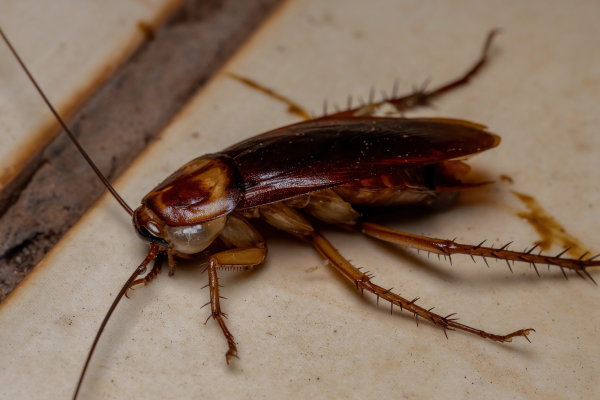
Properties affected by pantry pests sometimes experience other pest concerns as well. Ants, cockroaches, rodents, and termites may also take advantage of food and moisture sources.
Termite treatment helps protect structural wood, while pantry pest control focuses on stored food products. Addressing multiple pest concerns at the same time often produces better long-term results.
A complete pest management program helps maintain a cleaner and healthier environment.
Rodent Removal and Bed Bug Extermination
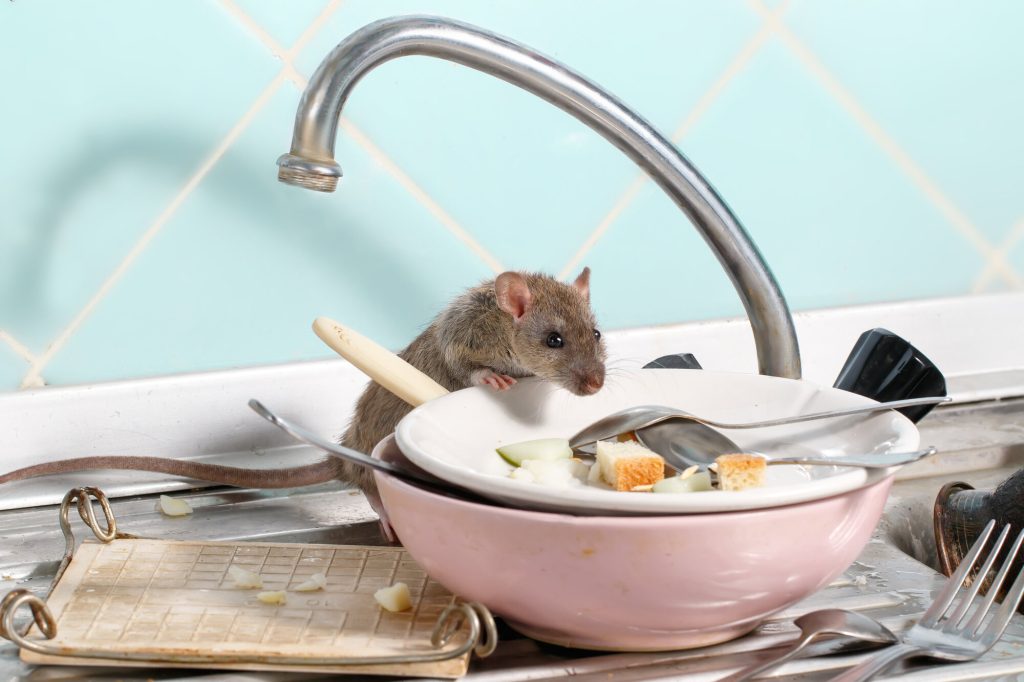
Rodent removal services help eliminate mice and rats that contaminate food storage areas. Rodents often access the same locations where pantry pests thrive.
Bed bug extermination services address separate infestations that affect bedrooms, hotels, and commercial facilities. Many pest control companies provide comprehensive services that protect homes from multiple pest threats.
Routine inspections remain one of the most effective preventive measures.
Preventing Pantry Pests
The best way to prevent pantry pests is proper food storage. Store foods in airtight containers, sealed containers, or metal containers instead of thin cardboard or plastic bags.
Inspect food packages before bringing them into the home. Check grains, flour, rice, pet food, spices, powdered milk, nuts, and dried fruits for signs of insects.
Rotate stored products regularly and avoid keeping food for extended periods. Clean containers before refilling them and remove expired items promptly.
Maintaining good storage habits helps reduce the risk of future infestations.
Why Choose Top Choice Pest Control
Top Choice Pest Control helps homeowners eliminate pantry pests through proven pest management strategies. Their licensed technicians understand the life history and behavior of common pantry insects.
The team performs detailed inspections, identifies infestation sources, and develops treatment plans tailored to each situation. They use safe products and practical solutions designed to protect food storage areas.
Customers rely on Top Choice Pest Control because of their fast response times, experienced technicians, and commitment to customer satisfaction. Their goal is to eliminate infestations and help prevent future pest problems.
FAQs
What are the most common pantry pests?
The most common pantry pests include the indian meal moth, indianmeal moth, confused flour beetle, red flour beetle, rice weevils, and pantry beetles. These insects infest food products such as flour, grains, rice, dried food products, nuts, spices, and pet food. Most infestations begin when contaminated items enter the home.
Can pantry moths spread to other food items in my kitchen?
Yes. Pantry moths can spread from one infested product to nearby food items. Larvae often move between packages of flour, grains, nuts, dried fruits, pet food, and other stored products. This is why homeowners should inspect all pantry items when they discover an infestation.
What is the best way to get rid of pantry pests?
To get rid of pantry pests, inspect all food items, discard infested products, and clean storage areas thoroughly. Store remaining foods in airtight containers. If insects continue appearing after cleaning, professional pest control may be necessary to locate hidden sources and prevent recurring infestations.
Can pantry pests spread to unopened food products?
Yes. Some insects found in pantries can infest unopened packages if packaging materials are weak. Thin cardboard, paper containers, and damaged packaging may allow insects access. Storing food products in sealed containers helps reduce this risk and protects dry goods from contamination.
Why do pantry pests keep coming back?
Recurring infestations often occur when hidden food sources remain untreated. Eggs, larvae, and insects may survive inside overlooked products. Understanding the life history of common pantry pests helps identify breeding sources. Professional inspections can locate hidden infestations and provide solutions that prevent future outbreaks.
Conclusion
Pantry pests can contaminate food, spread through storage areas, and create ongoing frustration for homeowners. Whether the problem involves indian meal moths, pantry beetles, rice weevils, or other insects, early action remains essential.
Removing infested foods, improving storage practices, and seeking professional help when needed can eliminate current infestations and reduce future risks.
Schedule Your Pantry Pest Inspection Today
If you have noticed pantry moths, beetles, larvae, or damaged food products in your kitchen, contact Top Choice Pest Control today. Their experienced team can identify the source of the infestation, eliminate active pests, and help protect your food supply. Schedule an inspection today and take the first step toward a pest-free pantry.