Squirrel removal in Ontario typically costs between $200 and $800 CAD for a standard exclusion and sealing job, with inspection fees ranging from $85 to $250 CAD. The final cost depends on the number of entry points, whether young are present in the attic, and how much clean-up or structural repair is required. This guide is for Barrie and Vaughan homeowners who hear scratching above the ceiling this fall and want to understand what professional wildlife removal involves before booking a visit.
Key Takeaways
- Professional squirrel removal in Ontario typically ranges from $200 to $800 CAD; severe infestations requiring attic restoration or structural repairs can push costs above $1,500 CAD.
- Squirrels most commonly enter attics through damaged roof vents, soffits, and roof edges — a full property inspection identifies every entry point before exclusion begins.
- Humane removal using one-way doors allows squirrels to leave the attic on their own and prevents them from returning; this is the standard approach used by licensed wildlife removal companies in Ontario.
- Squirrel droppings can contaminate insulation, emit foul odours, and carry bacteria including Salmonella and Leptospirosis.
- Squirrels chew through electrical wiring and PVC plumbing lines — structural damage that compounds the longer a squirrel infestation goes unaddressed.
How Much Does It Cost to Get Rid of a Squirrel?
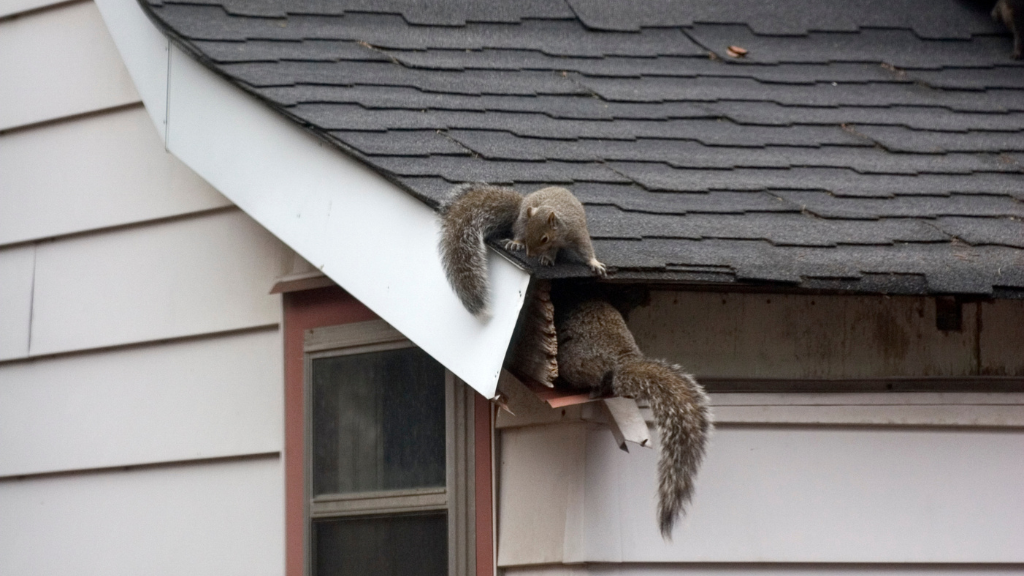
Professional squirrel removal services in Barrie and across Ontario typically range from $200 to $800 CAD for a standard job covering inspection, exclusion device installation, and entry-point sealing. Costs can exceed $1,500 CAD for severe infestations that require attic restoration, contaminated insulation removal, or significant structural repairs. The price varies based on the number of entry points found, whether the infestation involves young squirrels, and how accessible those entry points are for a technician working at roof height.
Emergency or after-hours callouts typically carry a premium above standard pricing. Multiple entry points increase both the labour and materials required for effective exclusion, which directly affects the final quote. The ranges here reflect general Ontario wildlife control market pricing; confirm current rates directly with your service provider before booking.
Inspection and Entry-Point Sealing
What the Inspection Covers
A property inspection is the first step in any professional squirrel removal process. A trained technician examines the roofline, soffits, roof vents, chimney, and fascia boards to find active entry points and identify other vulnerable areas where squirrels may gain entry in the future. Inspection fees for wildlife control companies in Ontario typically start between $85 and $250 CAD depending on the scope of the assessment and the company.
Identifying All Access Points
Squirrels rarely use a single opening. A full property inspection identifies every gap, damaged vent, and structural weakness along the roofline so that sealing work is complete. Missing even one access point allows the same squirrels — or new ones — to return to the same structure after exclusion is finished.
Why Sealing Is Part of the Price
Entry-point sealing is typically included in the exclusion visit rather than quoted as a separate line item for a standard job. The number of squirrel entry points found directly affects the labour on-site and the volume of wildlife-resistant materials used. More access points means a higher total, which is why squirrel removal costs vary from one property to the next even within the same neighbourhood.
One-Way Doors and Exclusion
How One-Way Doors Work
Humane squirrel removal relies on one-way doors — devices fitted over active entry points that allow squirrels to push out of the attic but cannot be pulled open from outside. The squirrel exits on its own and is physically prevented from re-entering through the same point. One-way doors are considered the standard approach by licensed wildlife removal professionals in Ontario because squirrels are removed without trapping or harming them.
The Wait Period
After one-way doors are installed, a wait period is required. This allows all squirrels in the attic to exit on their own schedule. The technician returns for a follow-up check to confirm the entry point is no longer active before permanently sealing the opening with wildlife-resistant materials. The length of the wait period depends on the season and whether young are present in the nest.
When Young Are Present
If a litter is present in the attic — most common in spring and again in late summer — the removal process becomes more involved. Young squirrels cannot use a one-way door until they are mobile. A trained technician will assess the situation before installing any exclusion devices. The presence of young affects the timeline and can increase the total cost of the squirrel removal job.
Attic Clean-Up and Damage Repair
Nesting Debris and Contaminated Insulation
Squirrel nesting material, droppings, and contaminated insulation are health concerns that persist after the animals have been removed. Structures with squirrel feces emit foul odours and carry health risks — squirrel droppings can carry Leptospirosis and Salmonella. Attic restoration, which includes removing nesting debris and replacing contaminated insulation, may be quoted as a separate service depending on the extent of the damage and whether the wildlife removal company offers it directly.
Chewed Wiring and Structural Damage
Squirrels cause significant damage to electrical wiring, creating fire hazards that require attention from a licensed electrician after the infestation is resolved. They also chew through PVC plumbing lines, which can cause water damage to ceilings and wall voids below. If structural repair or wiring replacement is needed, those costs are separate from the wildlife removal quote and should be addressed by the appropriate trades once the squirrel problem is resolved.
Signs You Have Squirrels in the Attic
Sounds to Listen For
Daytime Scratching and Running
Squirrels are active during the day. Scratching, running, and rolling sounds from the attic during daylight hours point to squirrels rather than raccoons or mice. If you hear scratching at night, raccoons are the more likely culprit. For help distinguishing between the two, see raccoon in the attic: signs, risks and removal.
Chewing Sounds
Repetitive gnawing from the roofline or upper ceiling — particularly in early morning or late afternoon when squirrel activity is at its peak — is a warning sign. Squirrels chew on structural wood, wiring insulation, and vent materials constantly. Catching the infestation early limits the scope of the repair work that follows.
Physical Signs to Look For
Chewed Entry Points at Roof Edges
Walk the perimeter and look at the roofline. Chewed or damaged soffits, gnawed roof vents, and gaps at roof edges where the fascia meets the exterior wall are the most common physical signs of squirrel entry. Squirrels target damaged or aging vents they can force open and widen existing gaps through persistent chewing until the opening is large enough to pass through.
Droppings and Nesting Debris
Squirrel droppings are small — roughly 9mm — cylindrical, and clustered near entry points or nesting sites inside the attic. Nesting material including compressed insulation fibres, leaves, and shredded material pushed into corners is another common indicator. A persistent foul odour coming from the attic with no obvious cause often indicates accumulated squirrel waste.
Visual Squirrel Activity at the Roofline
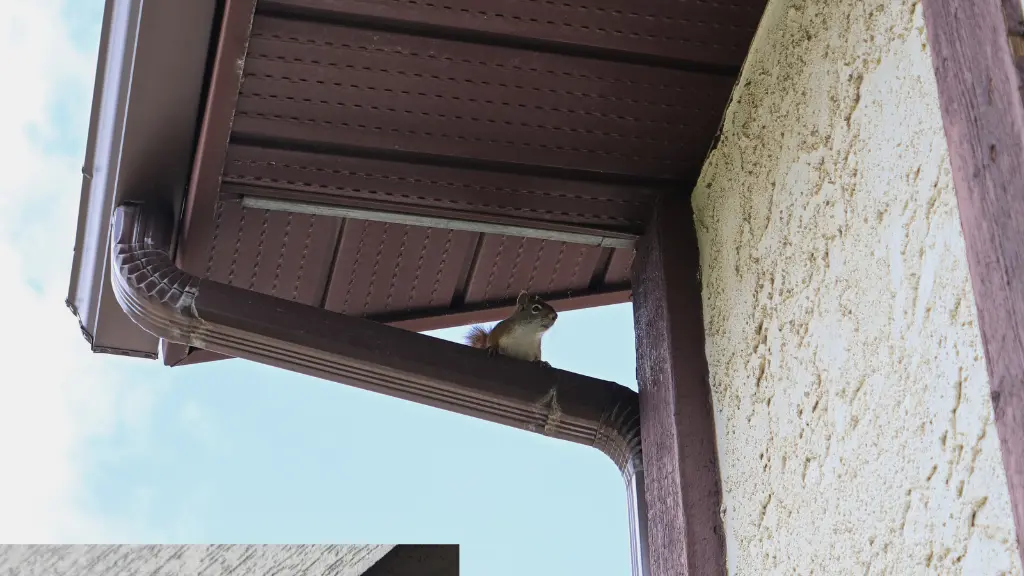
Squirrels entering and exiting at a consistent point on the roofline — particularly in the early morning — are visible evidence of an established entry point. Worn, darkened edges around a gap in the soffit or a compromised vent cover indicate repeated use and confirm an active access route.
Why Squirrels Move Into Attics in Fall and Winter
Nesting Season and the Cold Months
Squirrels in Ontario begin looking for sheltered nesting sites as temperatures drop in October and November. An attic provides warmth, protection from predators, and dry nesting space — conditions that are difficult to find in a tree cavity during a Barrie winter. Wildlife control calls for squirrel problems increase noticeably in fall as squirrels move indoors ahead of the cold.
Overhanging Branches as Access Routes
Squirrels use overhanging tree branches to reach rooflines without touching the ground. A branch within roughly two metres of the roof edge gives a squirrel a direct route to the soffit line. Trimming branches back from the structure before winter is one of the most effective steps a homeowner can take to reduce squirrel pressure. For a broader look at keeping wildlife and rodents out of your home through the colder months, see winter pest control in Canada: keeping rodents and insects out of your home.
When Squirrel Activity Peaks in Barrie
Wildlife removal calls for squirrel infestation in Barrie and Simcoe County run highest from October through December as squirrels establish winter nesting sites. A second uptick occurs in spring when females seek protected spaces to raise a litter. October and November are consistently the busiest months for new wildlife control bookings in the region, making fall the right time to check the roofline rather than wait for scratching noises to confirm the problem.
What Professional Squirrel Removal Involves
A professional removal service covers inspection, exclusion device installation, and sealing of all access points. The complexity of the removal process increases when the infestation is established, when multiple entry points are present, or when a nesting litter complicates the exclusion timeline.
Step 1: Property Inspection
What the Technician Checks
The technician performs a full property inspection, walking the roofline and examining all roof vents, soffits, the chimney, and any gaps around pipes or cables entering the structure. The inspection identifies active entry points, potential entry points that have not yet been used, and signs of squirrel nesting activity in the attic.
The Inspection Report
A professional inspection produces a clear record of where squirrels are entering, where they are nesting, and what sealing work is required. This forms the basis for the exclusion plan and the accurate job quote. Prices can vary depending on the extent of the infestation and the amount of structural work required.
Step 2: Exclusion Installation
One-Way Doors at Every Active Entry Point
One-way doors are fitted at every confirmed active entry point. All other potential entry points and vulnerable openings identified during the inspection are sealed with wildlife-resistant materials at the same time, preventing squirrels from opening alternative routes while the exclusion is in progress.
Sealing Vulnerable Areas
Damaged roof vents, compromised soffits, and exposed roof edges are addressed with materials squirrels cannot chew through. Steel mesh and heavy-gauge hardware cloth are standard exclusion materials used in Ontario wildlife removal work.
Step 3: The Wait Period
Why Timing Matters
The wait period between exclusion installation and final sealing allows all squirrels inside to exit through the one-way door. Permanently sealing the entry too soon can trap animals inside — a situation that causes further damage and, if young are present, a more involved removal.
Confirming No Squirrels Remain
Before final sealing, the technician confirms that no squirrels are still inside. This involves checking for fresh droppings or nesting activity, inspecting for movement at the one-way door, and listening for any chewing sounds during peak activity hours.
Step 4: Follow-Up and Final Sealing
The follow-up visit confirms the one-way door has been used and no squirrels remain in the attic. The technician permanently seals the entry point and re-inspects the roofline for any new gaps that may have developed during the wait period. Sealing entry points prevents squirrels from re-entering the same structure.
DIY Squirrel Removal vs Professional Wildlife Control
The Risks of DIY Squirrel Removal
Young Squirrels Sealed Inside
The most serious risk in DIY squirrel removal is sealing young inside the attic. Without a professional inspection, a homeowner cannot reliably determine whether a litter is present. Sealing an active entry with young inside creates ongoing structural damage as the animals attempt to chew a new exit, as well as a health concern from the animals dying in the wall or attic space.
Re-Entry After DIY Sealing
Consumer-grade exclusion materials — foam sealants, lightweight mesh, wood plugs — are often inadequate for squirrel exclusion. Squirrels chew through foam and thin mesh within days. A poorly sealed entry point means the same squirrels return to the same route, and the wildlife problem continues. For a full account of the most common homeowner errors with wildlife removal, see top 5 mistakes homeowners make when trying wildlife removal themselves.
Ladder and Safety Risk
Roof-level exclusion work requires extended ladder access to second-storey height and above. Uneven ground, wet roofing material, and working with both hands occupied while holding tools are consistent factors in residential fall injuries. Professional technicians carry appropriate equipment and liability insurance.
When to Call a Professional Wildlife Removal Service
For any squirrel infestation that has progressed past a single animal entering through one access point, professional wildlife removal is the appropriate response. Multiple entry points, evidence of established nesting, or the possibility of young in the attic all increase the complexity of the job beyond what DIY approaches can reliably handle. For guidance on when professional help is the correct call, see when to call animal control.
How to Keep Squirrels Out of the Attic After Removal
Trim Overhanging Branches
How Far Back to Cut
Cut all tree branches back to at least two metres from the roofline on all sides of the structure. Squirrels can jump up to two metres horizontally from a launch point, so branches that appear to leave comfortable clearance still provide access. Regular pruning each fall reduces the risk of new squirrel problems in the same structure.
Cap the Chimney and Screen All Roof Vents
Uncapped chimneys are direct access routes into the attic. A steel chimney cap prevents entry by squirrels and other wildlife. All roof vents should be fitted with steel mesh screens — not plastic, which squirrels chew through readily — as part of any exclusion job. Damaged vents left open after removal are re-used quickly.
Check the Roofline Every Fall
What to Look For
Walk the property perimeter in October and inspect the soffit line, roof vents, and any point where roofing material meets the fascia. Address any new gap before squirrels investigate it ahead of winter. Regular inspections help identify vulnerable areas before they become active entry points.
After Significant Weather Events
High winds and freeze-thaw cycles through a Barrie winter work at caulk, flashing, and roofing material. A roofline check after any major weather event is worth the time — small gaps open up between inspections and become access points quickly once squirrel activity picks up in spring.
Remove Ground-Level Attractants
Squirrels spend more time around properties with accessible food. Bird feeders, fruit fallen from trees, and unsealed compost all draw squirrels onto the property and increase the frequency with which they investigate the roofline. Removing these attractants reduces squirrel pressure around the structure, particularly through fall and winter when natural food sources thin out.
Frequently Asked Questions
What is the fastest way to get rid of squirrels?
Professional exclusion with one-way doors followed by sealing all entry points is the most reliable approach. A licensed wildlife removal technician can inspect the property, install exclusion devices, and confirm removal within a single visit plus a follow-up check — typically the fastest path to a permanently resolved squirrel problem without risking damage from trapping animals inside.
Can you shoot squirrels on your property in Ontario?
Ontario’s Fish and Wildlife Conservation Act and local municipal firearm bylaws both govern this question — for an answer specific to your address and property type, consult ontario.ca or your municipality directly before taking any action. Humane exclusion through one-way doors and entry-point sealing resolves the squirrel infestation safely and legally, and avoids the risks that come with firearms use in or near residential areas.
Is there a 24-hour animal control service in Barrie?
Top Choice Pest Control provides wildlife removal services in Barrie and across Simcoe County. For current service hours and same-day or emergency call availability, contact the company directly at (416) 904-5351. Availability can vary by season, so calling ahead confirms what is currently offered for your situation.
How much will it cost to get pest control out?
Inspection fees for wildlife control in Ontario typically start between $85 and $250 CAD, with squirrel removal and exclusion jobs generally ranging from $200 to $800 CAD for a standard job. Costs increase with the number of entry points found, attic clean-up required, or any structural repair work. For Top Choice’s current service pricing, see the prices page.
Book Squirrel Removal With Top Choice Pest Control
If you hear scratching from the attic during the day, spot damaged soffits or roof vents, or find other signs of a squirrel problem, early action limits the scope and cost of the job. Wildlife removal in Barrie is handled by Top Choice Pest Control, serving Barrie, Vaughan, and North York with trained technicians, humane exclusion methods, and follow-up confirmation on every job.
Call (416) 904-5351 to book an inspection or ask about current availability for squirrel removal in your area. For a broader look at wildlife removal costs across different species, see how much do animal control services cost.
About Top Choice Pest Control
Top Choice Pest Control serves Barrie and surrounding communities with licensed wildlife control and pest management services covering squirrels, raccoons, mice, ants, bed bugs, cockroaches, wasps, and more. The company holds all required Ontario licences, carries commercial liability insurance, and follows humane practices on every wildlife removal visit.
Service Area
Top Choice Pest Control operates throughout Barrie, Innisfil, Angus, Orillia, and the broader Simcoe County region. Wildlife removal services also extend across the Greater Toronto Area, including Vaughan, North York, and surrounding southern Ontario municipalities.
Next Step
Hearing scratching in the attic this fall? Contact Top Choice Pest Control for a property inspection and a clear plan to remove squirrels and prevent them from returning. Book through the wildlife removal in Barrie page or call (416) 904-5351.