You keep your house clean and take out the garbage regularly — so why are cockroaches appearing in your kitchen? Cleanliness alone does not protect a home from a cockroach infestation. Cockroaches are attracted to far more than visible crumbs: moisture, warmth, shelter, shared walls, and cardboard boxes all create the conditions they need to thrive. Understanding what attracts cockroaches is the first step to protecting your home and your health.
Cockroaches are less common in Barrie than in larger Ontario urban centres such as Toronto and Hamilton — but infestations do occur, particularly in apartment buildings, multi-unit housing, and food-handling businesses where conditions favour rapid spread.
Why Cockroaches Enter Clean Homes
Most people assume cockroaches only infest dirty spaces — but the German cockroach, the most commonly found species in Ontario homes, is attracted to resources present in almost every household regardless of how clean the space appears.
Cockroaches are attracted to food, moisture, and shelter. A spotlessly clean home can still provide all three through leaky pipes, warm appliance voids, dark basements, and humid bathrooms.
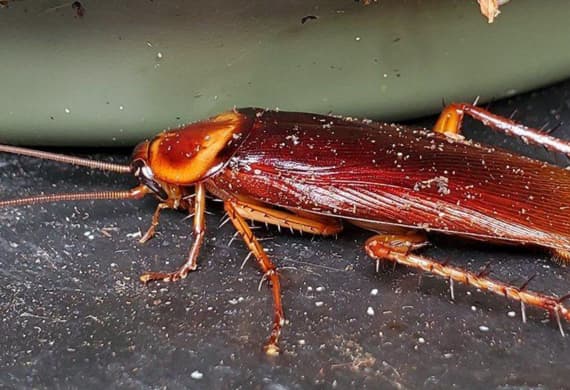
What Actually Attracts Cockroaches to Your Home
1. Moisture — The Most Overlooked Attractant
Cockroaches can live for a month without food but only a week without water — making moisture their most critical resource. Leaky pipes, condensation under refrigerators, damp basements, and poorly ventilated bathrooms attract cockroaches far more reliably than food crumbs. Fix leaking pipes promptly, improve drainage under appliances, and run exhaust fans in bathrooms. Eliminating water sources is one of the most critical steps in cockroach prevention.
2. Food — A Hidden Buffet in Every Kitchen
Cockroaches consume almost anything — crumbs under furniture, grease behind stovetops, unwashed dishes, pet food left overnight, and film inside garbage bins. Even cardboard and soap are edible to roaches. A few crumbs and a dripping faucet can sustain an infestation for weeks. Clean surfaces regularly and avoid leaving dishes out overnight.
3. Warmth and Shelter
Cockroaches seek warm, dark environments and prefer narrow cracks providing body contact on multiple sides — behind refrigerators, inside wall voids, under stoves, within electronics, and in bathroom cabinetry. Clutter and hiding places increase infestation risk by providing more sites to shelter, lay eggs, and go undetected. Reducing clutter — particularly stacked cardboard boxes and paper bags — removes the dark, warm microenvironments cockroaches depend on.
4. Entry Points — How Cockroaches Get In
Clean homes are not sealed homes. Cockroaches enter through cracks in foundations, gaps around pipes, poorly sealed doors, and drains. In apartment buildings, cockroaches move through shared walls and plumbing voids — an infestation next door can spread to your unit regardless of your hygiene. Cockroaches also hitchhike on grocery bags, cardboard boxes, second-hand furniture, and luggage.
5. Odours From Other Cockroaches
Cockroaches leave chemical pheromones in droppings and along foraging trails. A strong oily or musty odour in a kitchen or bathroom indicates a serious infestation. These pheromone traces persist even after cleaning, continuing to attract other cockroaches — which is why infestations grow rapidly and why thorough professional treatment is essential, not just surface sanitation.
6. Garbage and Trash Cans
Trash cans are a primary food source cockroaches exploit in even the cleanest homes. Open or loosely covered trash cans are effectively a buffet for roaches active at night. Dispose of garbage in sealed containers with tight-fitting lids, empty indoor bins daily, and clean them regularly to remove food residue. Keep outdoor garbage areas sealed, as cockroaches outdoors readily move indoors when populations grow.
The German Cockroach: The Most Common Indoor Species
The German cockroach is the most commonly found species in Ontario homes, apartments, and commercial kitchens. Small, pale brown, with two dark stripes behind the head, it relies entirely on human structures for warmth and shelter. A single female German cockroach produces up to 200 to 250 eggs in her lifetime; German cockroaches reach adulthood in as little as 36 days.
German cockroach droppings and shed skins produce significant allergens daily — a serious health concern, particularly in households with children with asthma.
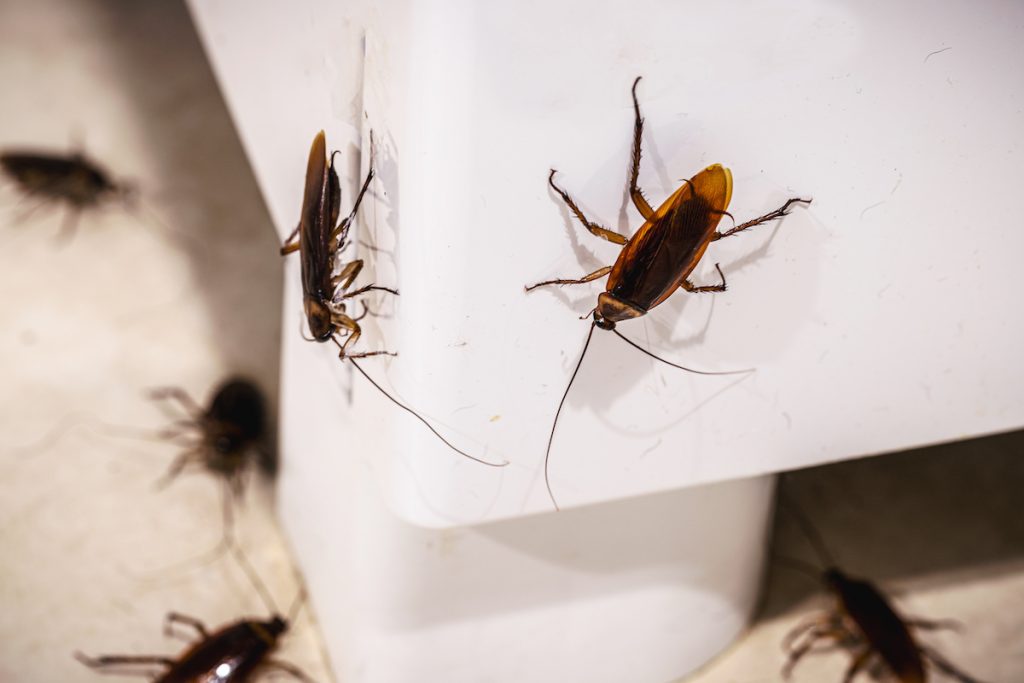
Health Risks of a Cockroach Infestation
Cockroaches spread bacteria like Salmonella and E. coli across kitchen surfaces and their droppings trigger asthma and allergies — particularly in children and those with respiratory conditions. Cockroach feces ingested through contaminated food causes gastrointestinal illness. Any cockroach infestation is a public health concern warranting prompt professional pest management.
Signs You Have a Cockroach Infestation
Catching a cockroach infestation early dramatically improves control outcomes. Key signs include:
• Droppings — feces resembling coffee grounds or black pepper along baseboards, inside cupboards, and behind appliances
• Egg cases (oothecae) — oval, dark brown cases in cracks, inside furniture, and hidden corners
• A strong oily or musty odour in kitchens or bathrooms
• Nighttime cockroach sightings when lights are turned on in dark rooms
• Daytime sightings — a sign of severe infestation displacing roaches from hiding spots
• Dark smear marks along walls and floors where cockroaches travel regularly
How to Store Food and Deny Cockroaches Their Resources
Store Food in Sealed Containers
Store food in airtight sealed containers — hard plastic or glass rather than open bags or cardboard cockroaches can chew through. This applies to cereals, rice, flour, sugar, and pet food; avoid leaving pet food out overnight. Keep refrigerators clean and promptly remove spilled food. Proper food storage removes the primary resource cockroaches seek.
Clean Thoroughly and Consistently
Clean beyond visible surfaces — wipe behind appliances, under furniture, and inside cabinets where food accumulates in areas rarely touched. Mop floors regularly, wipe stovetop grease after cooking, and clean the inside of trash cans weekly. Deep cleaning and eliminating water sources are crucial for preventing infestations from establishing or returning after treatment.
Seal Cracks and Entry Points
Inspect and seal cracks in walls, around plumbing penetrations, and along baseboards. Use caulk for small gaps and expanding foam for larger voids. In apartment buildings, sealing cracks is especially important — cockroaches travel easily through shared walls, electrical conduits, and plumbing voids between units.
Manage Trash Cans and Dispose of Garbage Properly
Dispose of garbage in sealed containers and empty indoor bins daily. Residue inside bin liners and on bin walls sustains cockroaches — clean trash cans inside and out regularly. Outdoor bins should have secure lids and be kept away from the foundation.
Cockroach Control: What Works
When prevention is not enough, a combined approach of sanitation and targeted treatments eliminates cockroach infestations effectively. Key methods include:
• Gel baits — placed in cracks and crevices where cockroaches travel; effective for German cockroach control in hidden areas
• Boric acid — a low-toxicity powder effective against roaches when applied along baseboards and inside wall voids
• Diatomaceous earth — a natural powder that dehydrates and kills roaches when applied to dry areas
• Insect growth regulators — disrupt the breeding cycle of cockroaches, preventing eggs from developing into adults
• Glue traps — useful for monitoring cockroach activity and identifying heaviest traffic areas
• Non-repellent insecticides — roaches do not avoid treated areas, picking up and spreading product to other cockroaches
Consistency in treatment is essential — infestations may take weeks to fully resolve. Integrated Pest Management (IPM) combines sanitation, monitoring, targeted baits, and sealing entry points for durable long-term control. For any significant German cockroach infestation, professional pest control is the most reliable path to lasting results.
🪳 Spotted Cockroaches? Call Top Choice Pest Control Barrie — 416-904-5351 | Free Quote
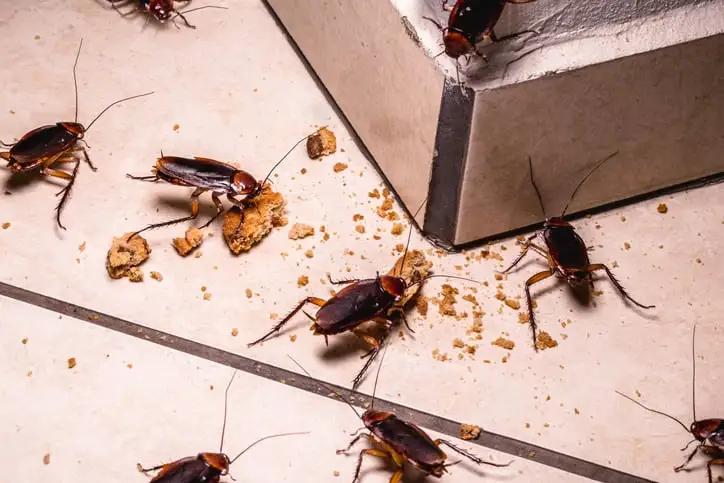
Common Questions: Cockroaches in Clean Homes
Why do I have a cockroach infestation if my house is clean?
A clean house can still provide what cockroaches need: moisture from leaky pipes, warmth behind appliances, and shelter inside walls or dark basements. Shared walls in apartment buildings allow infestations to spread from neighbouring units. Cockroaches also hitchhike on grocery bags, boxes, and second-hand items. Cleanliness reduces risk but rarely eliminates every resource cockroaches require.
How do I know if I have a German cockroach infestation?
German cockroaches are small, pale brown with two dark stripes behind the head. Signs of a German cockroach infestation include pepper-like droppings along baseboards, a musty odour in kitchens or bathrooms, oval egg cases in crevices, and nighttime sightings when lights turn on. Daytime sightings signal a severe infestation. A professional inspection confirms the species and the full scope.
How should I store food to prevent cockroaches?
Store food in airtight sealed containers — hard plastic or glass rather than open bags or cardboard. This includes dry goods and pet food; avoid leaving pet food out overnight. Keep refrigerators clean, dispose of garbage in sealed trash cans daily, and promptly clean up spills. Proper food storage removes the primary resource cockroaches seek.
Are cockroaches dangerous to health?
Yes. Cockroaches spread bacteria like Salmonella across food preparation surfaces through their foraging. Their droppings, shed skins, and feces contain allergens that trigger asthma and allergies — particularly in children and people with respiratory conditions. A cockroach infestation in any home is a public health concern that warrants prompt professional pest management.
How do I get rid of cockroaches from trash cans and kitchen areas?
Empty indoor trash cans daily and use bins with tight-fitting lids. Clean bin interiors regularly to remove food residue and odours. Wipe kitchen surfaces after every meal, clean behind appliances, and store food in sealed containers. Combine these sanitation steps with gel baits in crevices near trash cans and under appliances for effective professional control.
The First Step Is Understanding What You’re Dealing With
A cockroach infestation in a clean home signals that moisture, warmth, or shelter exist somewhere in the structure — not poor hygiene. Seal entry points, eliminate water sources, and store food properly. When roaches persist despite prevention, professional pest control brings the expert knowledge, targeted treatments, and IPM strategies needed for lasting results. Top Choice Pest Control has served Barrie, Ontario since 2015 — QualityPro certified, 6-month guarantee, 4.9 stars from 91 verified reviews. Call for a free estimate today.
📞 Call Top Choice Pest Control | 416-904-5351 | Barrie Cockroach Specialists | Free Quote
Top Choice Pest Control | Barrie, Ontario | QualityPro certified | 8× HomeStars Best of Award winner | Serving Barrie since 2015