The number of treatments needed to eliminate bed bugs depends on the method used, the infestation severity, and how thoroughly preparation was executed. For most Barrie residents, the answer is one to three treatments — with bed bug heat treatment typically achieving complete elimination in a single visit. This guide explains what drives treatment numbers, what each method requires, and how to work with a licensed bed bug exterminator for lasting, guaranteed results.
What Are Bed Bugs and Why Are They So Hard to Eliminate?
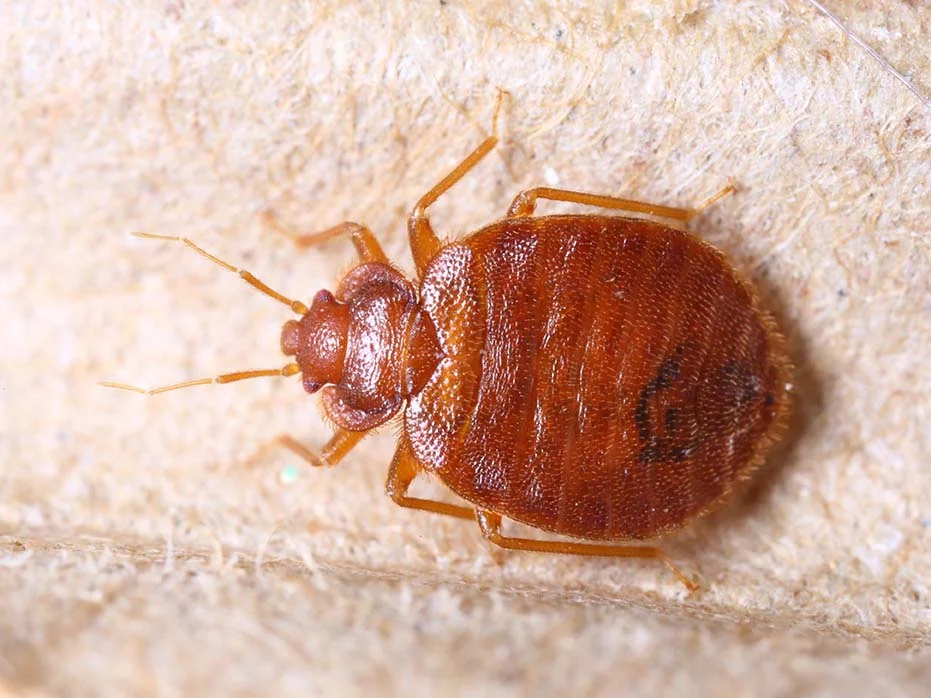
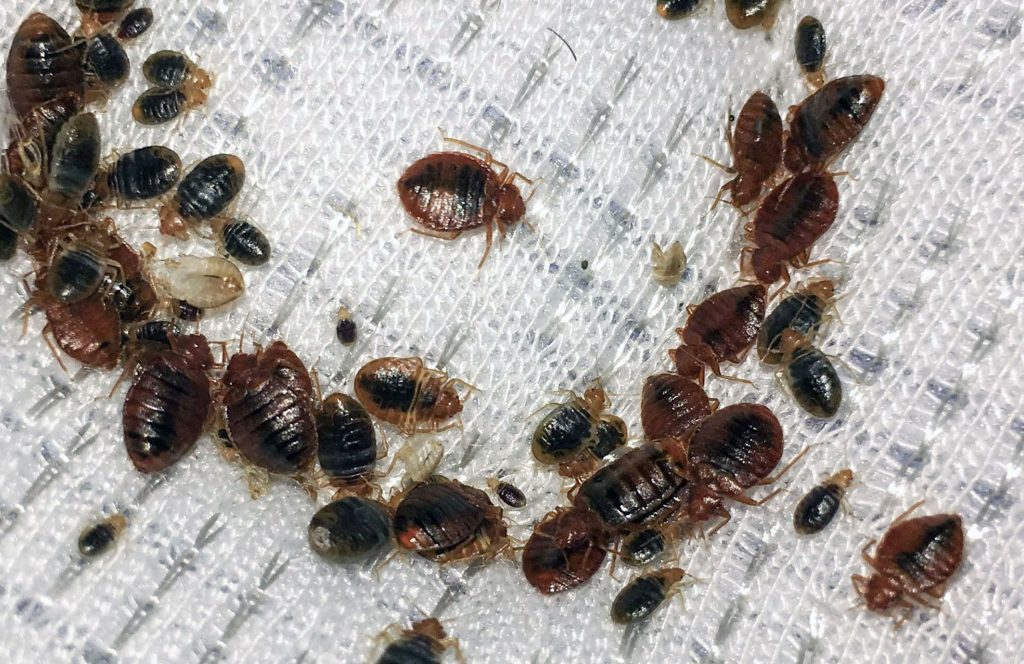
Bed bugs are small reddish-brown insects about the size of an apple seed. Nocturnal, they feed on blood while hosts sleep and hide in cracks, mattress seams, furniture joints, and wall voids during the day. They reproduce quickly — eggs hatch in about 6 to 10 days — turning a small introduction into a full infestation within weeks.
Bed bugs hide in locations that standard cleaning and surface sprays cannot reach and are resistant to many over-the-counter products. Their eggs are impervious to insecticides that kill adult bugs. Effective elimination requires heat — bed bugs die when exposed to temperatures of 49°C to 60°C — or a systematic multi-visit chemical protocol that accounts for the full bed bug life cycle. It is therefore important to identify bed bugs and eradicate them at the earliest.
How Many Bed Bug Treatments Are Typically Required?
Bed Bug Heat Treatment — Usually One Visit
Bed bug heat treatment raises room temperatures to 49°C to 60°C — killing bed bugs at all life stages including eggs, nymphs, and adults in a single session. Because heat penetrates wall voids, mattress interiors, and furniture joints simultaneously, it can eliminate an infestation in a single day without follow-up chemical applications.
Heat treatment is completed in a single day — typically four to eight hours depending on property size. Most clients require only this one visit when properly prepared. Preparation depends on clearing clutter, laundering fabrics on high heat, and following the technician’s pre-treatment checklist carefully.
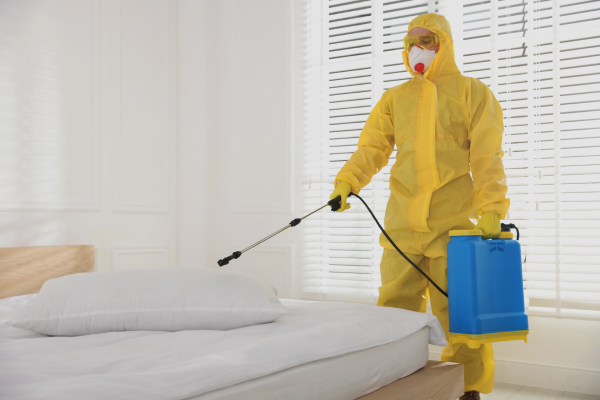
Conventional Chemical Treatment — Two to Three Visits
Conventional insecticide treatment uses Health Canada-approved chemicals applied to all identified hiding spots, cracks, crevices, and baseboards. Because insecticides do not penetrate bed bug eggs, follow-up visits at 10 to 14 days are required to eliminate newly hatched nymphs. Most conventional programs consist of two to three visits spaced two to three weeks apart for complete bed bug removal.
The total visits can increase if initial preparation was insufficient, the infestation is severe, or re-introduction occurs from an untreated neighbouring unit. For multi-unit buildings with bed bug infestations spanning multiple suites, coordinated treatment across all affected units is essential for lasting results.
Combined Heat and Chemical Treatment — One to Two Visits
For severe bed bug infestations, a combination approach uses heat for immediate knockdown of all life stages followed by a targeted residual chemical application to prevent re-introduction. This delivers the thoroughness of heat with lasting residual protection — typically one primary visit and one follow-up inspection two to three weeks later to confirm complete elimination.
What Affects How Many Treatments You Need?
Infestation Severity
A localized infestation confined to one bedroom requires fewer treatments than a whole-home or multi-unit building scenario. Most people do not identify a bed bug infestation until it is well established. Early identification through regular inspection is the most effective way to minimize treatment complexity.
Preparation Quality
Preparation is a critical factor in treatment success. Laundering on high heat for at least 30 minutes kills bed bugs and eggs in fabrics; reducing clutter eliminates hiding places and allows treatments to reach all affected zones. Insufficient preparation is the primary reason a second treatment becomes necessary after heat treatment.
Re-Introduction Risk
In apartment buildings in Barrie, bed bugs re-enter treated units from untreated neighbouring suites through shared walls and plumbing voids. Even a perfectly executed treatment can fail if adjacent units are not inspected and treated simultaneously. Effective bed bug extermination in multi-unit settings requires coordinated inspection and treatment across all affected units.
Property Type and Size
Residential properties generally require fewer treatments than hotels, care homes, and student residences where occupants cycle regularly and re-introduction risk is elevated. For commercial properties, a structured program combining regular inspections, heat treatment protocols, and staff education delivers the most reliable year-round protection.
Identifying a Bed Bug Infestation Before Treatment
A thorough inspection by a qualified bed bug exterminator is the essential first step. Key signs of a bed bug infestation include:
• Live bugs — reddish-brown, flat, apple-seed-sized — in mattress seams, box springs, and bed frames
• Bed bug bites appearing in clusters or lines on exposed skin, particularly arms, necks, and shoulders
• Rust-coloured excrement spots on sheets, mattress seams, and headboards
• A sweet or musty odour in heavily infested rooms
• Shed skins (exoskeletons) near seams, baseboards, and behind headboards
• Oval egg cases tucked into cracks and furniture joints
Bed bug bites cause itching, disrupted sleep, and allergic reactions in sensitive individuals. While bed bugs do not transmit diseases to people, the health risks from sleep deprivation and chronic skin reactions are significant. Prompt bed bug removal protects everyone in the household.
Bed Bug Extermination: The Step-by-Step Process
Step 1: Thorough Inspection
A licensed bed bug exterminator inspects all sleeping areas, furniture, wall voids, and hiding spots. Inspection confirms the infestation, maps affected zones, and determines severity — forming the basis for the treatment plan and the projected number of visits required.
Step 2: Pre-Treatment Preparation
Before treatment, residents follow a preparation checklist: laundering all bedding and clothing on high heat, clearing clutter, bagging items that cannot be laundered, and removing heat-sensitive items. Preparation depends on the method being used but is critical — inadequate preparation is the leading cause of treatment failure.
Step 3: Initial Treatment
The experienced team delivers heat, insecticide, or combined treatment. Bed bug heat treatment raises indoor temperatures to 49°C to 60°C — maintained for several hours to ensure penetration into all hiding spots. Most bed bug exterminations are completed in a single initial session.
Step 4: Follow-Up Inspection and Confirmation
Following heat treatment, a 30-day follow-up inspection confirms complete elimination. After conventional chemical treatment, a visit at 10 to 14 days addresses newly hatched nymphs. Monitoring interceptors under bed legs provide early warning between visits. Once all activity is confirmed absent, the property is declared pest free.
Prevention After Treatment: Keeping Bed Bugs Out
After successful bed bug extermination, preventing re-introduction is the priority for Barrie homes and commercial properties:
• Use protective mattress and box spring encasements — trap surviving bugs and simplify future inspections
• Inspect second-hand furniture before bringing it home — bed bugs hitchhike on upholstered items
• Avoid placing luggage on hotel beds when travelling — inspect rooms on arrival
• Seal cracks and crevices along baseboards and around pipes to close entry points
• Regularly vacuum and dispose of vacuum contents outdoors immediately
• In multi-unit buildings, report signs immediately to property management for coordinated inspection
Bed bug infestations occur in any clean home — they hitchhike on belongings with no connection to hygiene. Inspect regularly and act immediately at the first sign of bed bug activity to protect your home year round.
Related Resources from Top Choice Pest Control
If you are researching bed bugs, these additional guides from Top Choice may help:
• What Are the Early Signs of Bed Bugs? A Homeowner Checklist
• How Much Does Bed Bug Treatment Cost in Ontario?
• Is Pest Control Safe for Pets and Kids?
• Bed Bug Control Services Barrie
🛏 Dealing With Bed Bugs? Call Top Choice — 416-904-5351 | Free Estimate | 6-month Guarantee
Common Questions About Bed Bug Extermination
How many treatments does bed bug heat treatment usually require?
Bed bug heat treatment typically requires only one visit for complete bed bug extermination. Heat raises temperatures to 49°C to 60°C, eliminating bed bugs at all life stages including eggs in a single day. No follow-up chemical application is required. A 30-day follow-up inspection confirming complete elimination is included in Top Choice’s professional bed bug removal service.
How do I know if I have a bed bug infestation before calling an exterminator?
Signs of a bed bug infestation include rust-coloured spots on sheets, shed skins near mattress seams, live bugs the size of an apple seed in box springs, and bed bug bites in clusters or lines on exposed skin. A musty bedroom odour indicates a heavy infestation. Contact a Barrie pest control professional for a thorough inspection if any of these signs appear.
What makes bed bug removal take more treatments than expected?
The most common reasons are insufficient preparation before treatment, re-introduction from an untreated neighbouring unit, a more extensive infestation than identified initially, or chemical treatment without adequate follow-up visits. Choosing an experienced bed bug exterminator who performs a thorough inspection and provides clear preparation instructions minimizes the risk of needing additional visits.
Are bed bug bites dangerous and do bed bugs spread disease?
Bed bug bites do not transmit diseases to people, but they cause itching, allergic reactions, disrupted sleep, and secondary skin infections from scratching. Prompt bed bug extermination protects everyone in the home. Contact a bed bug exterminator at the first sign of bed bug bites.
How do I choose the right bed bug exterminator in Barrie, Ontario?
Look for a licensed, insured pest control company with a strong reputation. Ask whether they offer bed bug heat treatment, what preparation is required, whether a service guarantee is provided, and what follow-up is included. Top Choice Pest Control is QualityPro certified, an 8× HomeStars Award winner with a 4.9-star rating from 91 verified reviews, and backs all treatments with a 6-month guarantee.
Can bed bugs come back after extensive treatments?
Yes — bed bugs can return after treatment if re-introduction occurs from an untreated source. In multi-unit buildings, untreated neighbouring units are the most common cause. Protective mattress encasements, sealed entry points, and inspection after travel or second-hand furniture acquisition reduce re-introduction risk. A guaranteed follow-up inspection at 30 days after heat treatment provides the most reliable confirmation the infestation is fully resolved.
Get It Done Right — Work With Barrie’s Bed Bug Specialists
For most Barrie residents, bed bug heat treatment delivers complete elimination in a single visit. For complex infestations, a combined approach with follow-up inspection assures lasting results. Top Choice Pest Control has served Barrie, Ontario since 2015. Our QualityPro certified technicians, 6-month guarantee, and 4.9-star rating from 91 verified reviews mean you can act fast and trust the outcome. Contact us for a free estimate today.
📞 Call Top Choice Pest Control | 416-904-5351 | Control Services in Barrie | Free Estimate
Top Choice Pest Control | Barrie, Ontario | QualityPro certified | 8× HomeStars Best of Award winner | Licensed & Insured