Where do bumble bees live? Many homeowners and business owners ask this question after seeing bees coming and going from a specific area on their property. Bumble bees play an important role in pollination, but a bumble bee infestation near entrances, patios, sheds, or work areas can create safety concerns. While most bumblebees avoid conflict, they may sting when they protect their nest. Understanding where bumble bees live, how their colonies develop, and when professional pest control is necessary can help property owners make informed decisions and maintain a safe environment.
What are Bumble Bees?
Bumble bees belong to the genus Bombus, which includes many bumblebee species found across the northern hemisphere. There are hundreds of bumblebee species worldwide, each with unique characteristics and nesting preferences.
Many people confuse bumble bees with honey bees or carpenter bees. However, these bee species behave differently. Bumble bees form colonies that last for one season, while honey bees maintain colonies for many years. Carpenter bees usually nest alone inside wood.
Facts bumble bees show that these insects are valuable pollinators. Their ability to perform buzz pollination helps plants produce fruits, vegetables, and seeds. Because of this role, many conservation groups, including the organization known as the Bumblebee Conservation Trust, support efforts to protect healthy bee populations.
Where Bumble Bees Live
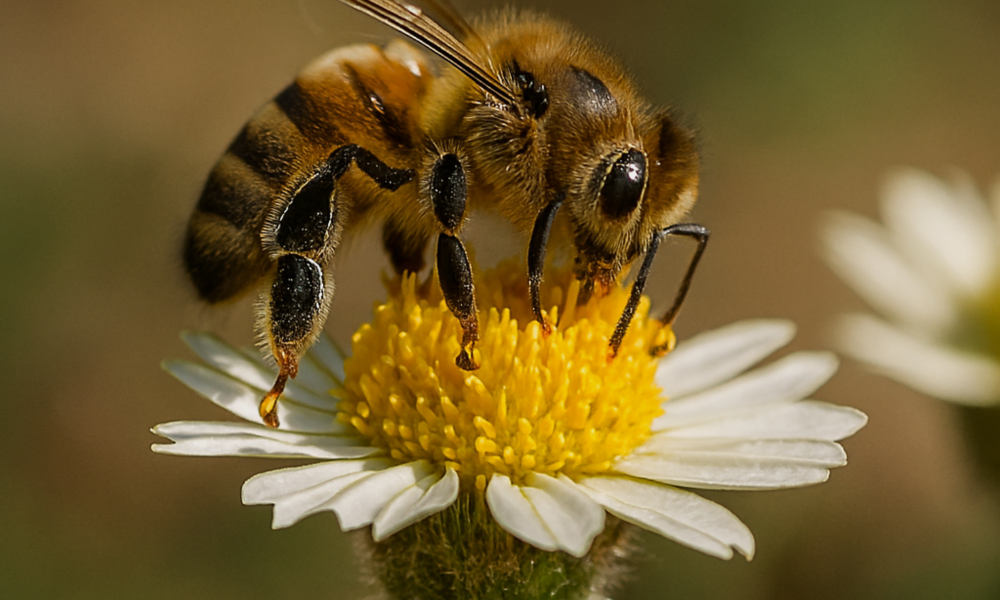
Bumble bees usually build nests close to the ground. A bumble bee nest often develops in thick grass, hollow logs, rotten stumps, abandoned bird nests, compost piles, or areas containing organic debris.
Some species use hollow spaces beneath sheds, decks, porches, and outdoor structures. Others establish nests inside wall cavities or underground openings. The nest entrance often appears as a small entrance hole with regular bee activity.
A tree bumblebee may use cavities in trees, while species such as Bombus terrestris, Bombus lapidarius, Bombus muscorum, and the common carder bumblebee may choose different nesting sites depending on local conditions.
Because nests often remain hidden, property owners may not notice a nest nearby until worker bees become more active.
The Bumble Bee Colony
A bumble bee colony begins with a single queen bumblebee. After winter ends, the queen searches for a suitable nesting location and starts a new colony.
The queen bumble bee lays eggs inside developmental cells constructed within the nest. Fertilized eggs become female worker bees and future queens. Unfertilized eggs develop into male bees, often called drones.
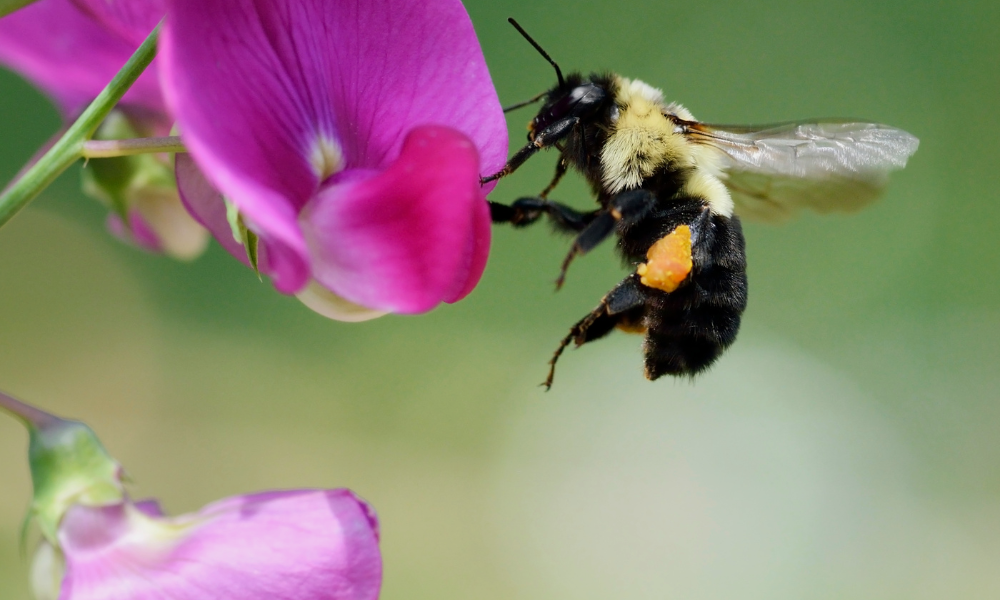
Worker bumble bees collect pollen and nectar from flowers. Female worker bees use pollen baskets located on their hind legs to transport pollen back to the colony. They store nectar, pollen, and honey stores within wax pots inside the nest.
As the season progresses, worker bumblebees continue foraging and caring for developing young. The original queen remains focused on reproduction.
By late summer, the colony produces new queens and male bumblebees. After mating, new queens seek shelter for winter while the rest of the colony dies. This annual life cycle differs from honey bee colonies that survive year-round.
How to Identify Bumble Bees
Learning to identify bumble bees helps homeowners determine whether they are dealing with bumble bees or another insect.
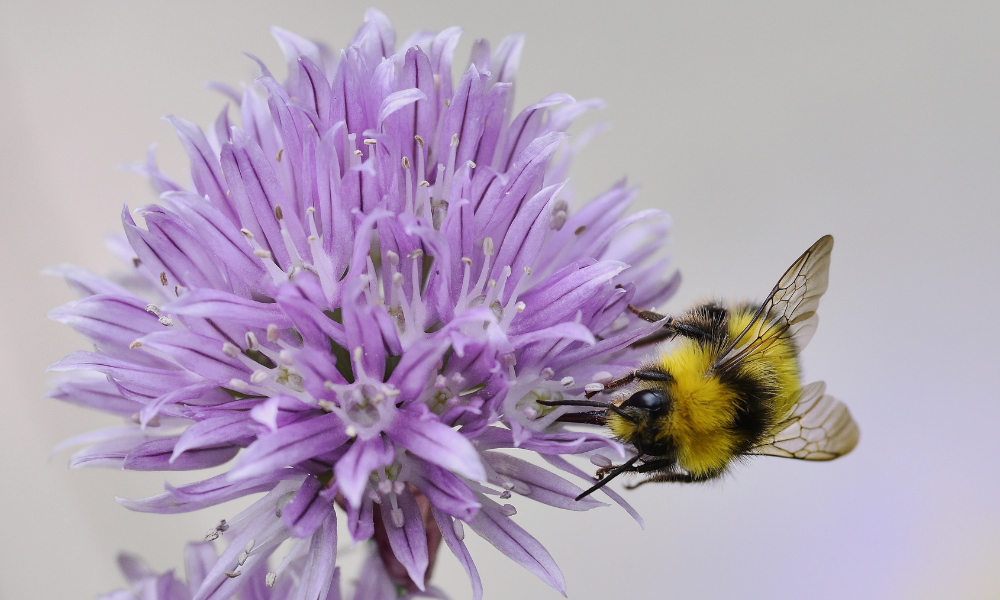
Most bumblebees have a round body covered with hair and display a banded pattern of black, yellow, orange, or white coloration. Their bodies appear larger and fuzzier than many other bees.
Female bumble bees collect pollen and often carry visible pollen loads on their hind legs. Male bumblebees lack pollen baskets and spend much of their time searching for mates.
Only female bumble bees can sting. Female bumblebees use their stinger to defend themselves and their colony. Unlike honey bees, they can sting repeatedly because they do not lose their stinger after an attack.
Signs of a Bumble Bee Infestation
A bumble bee infestation often becomes noticeable when property owners observe bees coming from the same area throughout the day.
Regular traffic near an entrance hole may indicate a bumblebee nest. Increased activity around thick grass, hollow logs, rotten stumps, wall cavities, or hollow spaces may also signal nesting activity.
The presence of worker bumblebees carrying pollen back to a nest suggests an active colony. Some homeowners hear buzzing sounds inside walls when nests develop in wall cavities.
If bees repeatedly gather near doors, patios, play areas, or workspaces, professional inspection may be necessary.
Risks of Ignoring a Bumble Bee Nest
Bumble bees usually avoid people, but a nest located near high-traffic areas can create concerns. Worker bees may become defensive when people or pets approach the colony.
Only female bumble bees sting, but multiple workers may defend the nest if they perceive a threat. This increases the risk of stings, especially for individuals with allergies.
A large colony near entrances, outdoor seating areas, or commercial walkways may affect normal activities. Businesses may also face concerns when customers encounter active bee colonies.
While bumble bees remain beneficial insects, property owners should address nests that create safety risks.
DIY Removal vs Professional BumbleBee Nest Removal
Many people attempt to remove a bumblebee nest themselves. This approach often creates unnecessary risk.
Disturbing a nest can trigger defensive behavior from worker bees. DIY removal methods may fail to address the entire colony and can lead to multiple stings.
Professional pest control technicians understand bee behavior and nesting habits. They inspect the property, identify the species, locate the nest, and determine the most appropriate course of action.
Professional treatment helps reduce risk while protecting occupants, visitors, and pets.
Pest Control Near Me
Many property owners search for pest control near me after discovering a nest nearby. Professional pest control services provide safe inspections and effective solutions for bee-related concerns.
Technicians identify nesting sites, evaluate colony activity, and recommend treatment options based on the location of the nest. This approach helps property owners address bee issues without unnecessary exposure to stings.
Early intervention often prevents larger problems later in the season.
Why Choose Top Choice Pest Control
Top Choice Pest Control helps homeowners and businesses address bee-related concerns through professional inspections and treatment services. Their licensed technicians understand local bee species, nesting behavior, and treatment requirements.
The team performs detailed inspections, identifies active colonies, and recommends solutions based on each situation. They use products and methods that prioritize safety while minimizing disruption to daily activities.
Customers rely on Top Choice Pest Control because of their fast response times, knowledgeable team, and commitment to customer satisfaction.
FAQs
Where do bumble bees usually build their nests?
Bumble bees often build a bumblebee nest in thick grass, hollow logs, bird nests, rotten stumps, wall cavities, and underground spaces. Different bumblebee species choose different nesting locations. A queen bumblebee selects the site each spring and starts a new colony that remains active until late summer or early fall.
What causes a bumble bee infestation?
A bumble bee infestation develops when a queen finds a suitable nesting location near a home or business. Areas with shelter, pollen sources, and protection from weather attract colonies. Properties with hollow spaces, dense vegetation, and abandoned nesting sites may experience increased bee activity throughout the season.
How can I identify bumblebees?
To identify bumblebees, look for large, fuzzy bees with a banded pattern of yellow, black, orange, or white markings. Female worker bees often carry pollen on their hind legs. Species such as Bombus terrestris and the common carder bumblebee may vary in appearance, but most share similar body shapes and behaviors.
When do bumblebees leave a nest?
The bumble bee life cycle lasts one season. By late summer, colonies produce new queens and male bees. After mating, new queens leave to find winter shelter. Worker bees, males, and the original queen die as temperatures drop, causing the colony to disappear naturally.
Are bumble bees important for the environment?
Yes. Bumble bees play a major role in pollination through a process called buzz pollination. Organizations such as the Bumblebee Conservation Trust support efforts to protect these insects. Healthy bee populations help many plants reproduce and support ecosystems throughout the northern hemisphere.
Conclusion
Bumble bees often live in thick grass, hollow logs, wall cavities, bird nests, and other protected spaces. While these insects provide important pollination benefits, a nest located near people, pets, or business operations can create safety concerns.
Understanding where bumble bees live, recognizing signs of a colony, and seeking professional help when necessary can help protect your property while addressing potential risks.
Schedule Your Bee Inspection Today
If you have noticed bees coming and going from a specific area on your property, contact Top Choice Pest Control today. Their experienced team can inspect the site, identify the species, locate the nest, and recommend the most effective solution. Schedule your inspection today and take the first step toward a safer property.