Mice are likely gone when fresh droppings, gnaw marks, and nighttime scratching have stopped completely — and stayed stopped — for several consecutive days. This guide explains the 5 day mouse rule, how to run a simple home check, and when a quiet spell is confirmation versus just a pause. For homeowners in Barrie and across Ontario who have had mouse activity and are not sure whether it is over, particularly heading into fall when mice move indoors.
Key Takeaways
- Mice produce 50 to 60 droppings per night — if droppings stop appearing after you clean an area, that is one of the most reliable indicators of reduced or absent mouse activity.
- The 5 day mouse rule is a monitoring guideline describing five consecutive days of complete zero activity: no new droppings, no sounds, and no disturbed traps or bait.
- A female house mouse can have 5 to 10 litters per year and reaches sexual maturity at about six weeks — a small and seemingly resolved problem can rebound quickly if entry points remain open.
- Silence at night is not proof that mice are gone; in Ontario, cold weather can push mice deeper into wall voids where they stay quiet until a food source draws them out.
- Sealing entry points is the only way to prevent new mice from entering after the original population is removed.
What Is the 5 Day Mouse Rule?
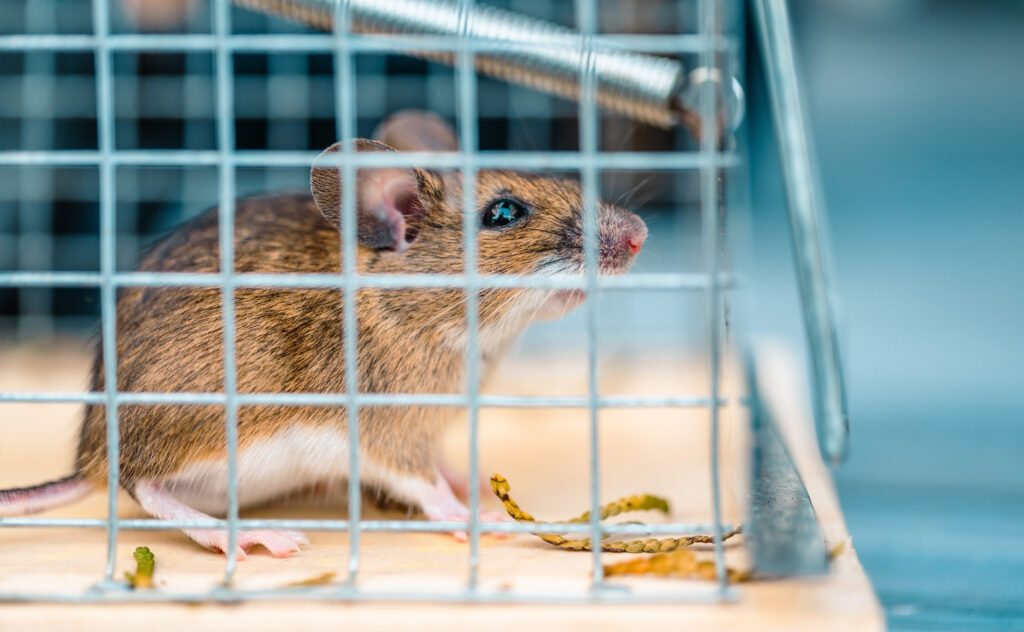
The 5 day mouse rule is a monitoring guideline used by some pest control professionals to help homeowners confirm that a mouse infestation has ended.
The rule describes observing five consecutive days of complete zero activity — no new droppings in cleaned areas, no nighttime scratching sounds, no disturbed traps, and no fresh gnaw marks.
Where the Rule Comes From
The rule circulates as a practical field checkpoint rather than a formal regulatory standard. It gives homeowners a structured way to assess results after trapping or treatment, rather than making a judgement call based on one quiet night.
How It Compares to Longer Monitoring Guidelines
Pest control guidelines generally recommend monitoring for at least a full week or longer to confirm total rodent eradication. That longer baseline is more relevant for heavier infestations where activity was spread across multiple areas of a structure.
The 5 day rule is a reasonable minimum for a single-room or single-entry-point situation. It is not a guarantee of clearance.
What the Rule Does Not Cover
The 5 day mouse rule does not account for entry points that remain open, or for seasonal reinfestation in the weeks after a clean monitoring period.
A quiet five-day stretch in September can still be followed by new mice moving indoors through unsealed gaps as October temperatures drop. Without exclusion work, a resolved mouse problem can restart.
Signs Mice Are Gone From Your House
After trapping or professional treatment, running a structured check across a few days is more reliable than a single inspection.
The following indicators, taken together, give the clearest picture.
No Fresh Droppings
Mouse droppings are small, oblong, and brown to black in colour. A single mouse produces 50 to 60 droppings per night, which makes new droppings easy to detect even with low activity.
How to Run the Droppings Check
Clean all known dropping locations thoroughly using disposable gloves and a damp cloth with disinfectant. Health Canada recommends a disinfectant step before cleaning to avoid disturbing dried droppings in enclosed or poorly ventilated spaces.
What to Look For After Cleaning
Mark the date, then inspect the same spots daily. No new droppings appearing after several consecutive checks is a positive sign. Droppings reappearing within 24 hours confirms mice are still present.
For help distinguishing mouse droppings from rat droppings by size, shape, and placement, see rats vs mice: how to tell which one you have.
No Noises in the Walls or Ceiling
Mice are nocturnal. Scratching, gnawing, and movement sounds inside walls and ceilings are most noticeable between midnight and early morning.
Why Silence Alone Is Not Enough
Silence is not confirmation that mice are gone. In fall and winter, mice in Ontario may move deeper into insulation or wall voids where sound is more muffled.
Listen across several consecutive nights, at roughly the same time, before drawing a conclusion.
What Active Sounds Sound Like
Active mouse sounds are typically light, rapid scratching or scurrying. Gnawing sounds are slower and intermittent, often near food storage or pipe penetrations. Rustling in insulation is common in attic-nesting situations.
Traps and Bait Stations Left Untouched
Snap traps and bait stations that go undisturbed for several consecutive days are a useful monitoring signal — provided they are set correctly and placed along walls and near known nesting areas, not in open floor space.
The Flour or Tracking Powder Test
Spread a thin layer of flour or fine powder along the base of walls in areas where activity was highest. Check it after 24 hours. Mouse footprints crossing the flour confirm activity even when no droppings are visible.
What Undisturbed Results Mean
No tracks in the flour and no disturbed traps across multiple checks supports the picture that activity has ended. This method adds a layer of confirmation that droppings and sounds alone cannot provide.
How Long Until You Know Mice Are Gone?
There is no fixed number that applies to every situation.
Heavier infestations require a longer observation period. The 5 day rule gives a minimum baseline. Homes where activity was spread across multiple nesting areas — behind appliances, inside wall voids, in the attic — warrant a longer monitoring window of at least two weeks.
Why the Timeline Varies
House mice rarely travel more than 3 to 9 metres (10 to 30 feet) from their nest. Activity concentrated in one room with a single sealed entry point may clear within days of successful trapping.
Activity spread across a larger structure takes longer to resolve fully.
The Reproduction Factor
A female house mouse can have 5 to 10 litters per year and reaches sexual maturity at about six weeks old. This means a partial reduction — removing most but not all mice — can result in the population rebuilding within a few weeks if active mice remain and entry points are open.
The Role of Follow-Up Visits
Professional rodent control includes scheduled follow-up visits to check monitoring stations, assess bait consumption, and confirm whether new activity has appeared.
The spacing and number of follow-up visits depends on the size of the original infestation. Ask your technician what the schedule looks like and what triggers a re-treatment visit.
Why Mice Come Back in Fall and Winter in Ontario
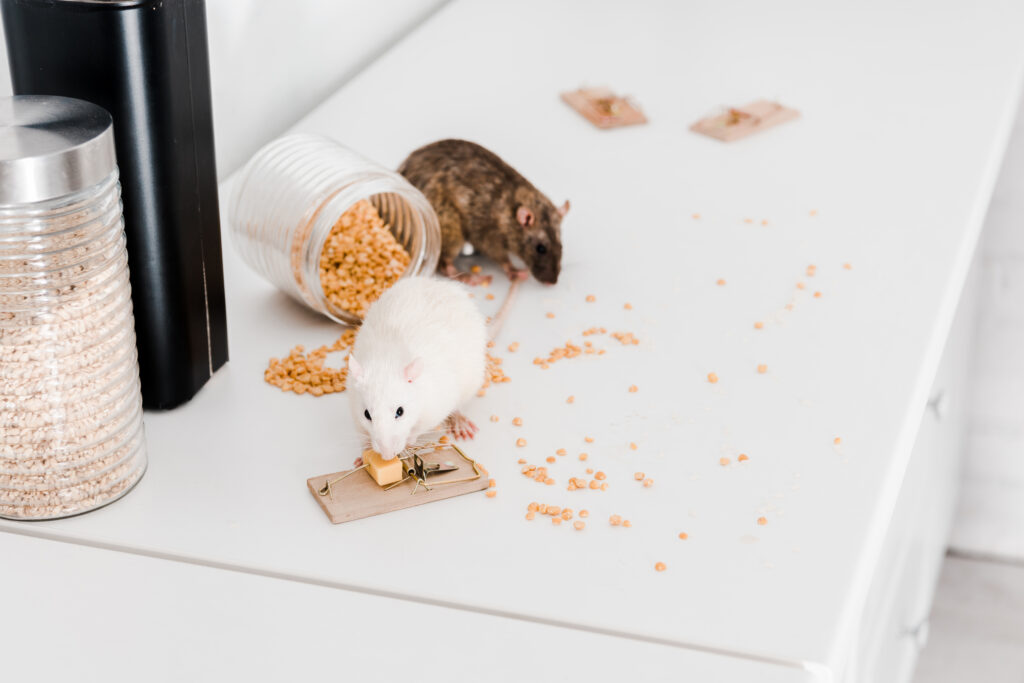
Mouse activity increases in Ontario in October and November as outdoor temperatures drop.
Mice do not hibernate. When outdoor food sources and nesting conditions become difficult, they move toward warmth — garages, wall voids, and attic spaces. A home that had mice in spring and went quiet over summer can see them return through the same entry points each fall.
Common Entry Points in Ontario Homes
Mice can squeeze through gaps as small as a dime. The most common entry points in Ontario homes include gaps around gas lines, dryer vents, and plumbing penetrations through exterior walls.
Foundation and Ground Level
Cracks in the foundation or gaps along sill plates are a consistent entry route. Gaps beneath garage doors or around door frames, including damaged door sweeps, allow easy access.
Roof and Attic Level
Damaged or missing attic vents and gaps behind exterior cladding near the roofline are points mice use to reach attic spaces and then move down into wall voids.
How to Seal Entry Points
Steel wool combined with caulk or cement is the standard fill for smaller gaps. Gaps larger than approximately a pen cap running through masonry or concrete require a harder fill material.
Store food in glass or metal containers with tight-fitting lids. Keep garbage covered and emptied regularly. Remove potential nesting sites such as leaf piles and dense mulch from the perimeter of the structure.
For a full guide to seasonal exclusion in Ontario, see winter pest control in Canada.
What Cold Weather Does to Mouse Behaviour
Mice that enter through a gap around a pipe in October may stay quiet for several days while establishing a nesting area before producing visible signs.
This is why a clean monitoring check in September does not protect against new mice arriving in October. Confirmed entry point sealing is the step that prevents this.
Signs You Still Have Mice and Need Professional Help
Some signs indicate that a mouse problem has not resolved and requires a professional re-assessment rather than continued waiting.
Fresh Droppings After Cleaning
Fresh droppings reappearing within 24 to 48 hours of a thorough clean at previously active spots confirm that mice are still present.
This is the most reliable indicator. A single mouse produces 50 to 60 droppings per night, so even one remaining mouse shows up clearly on a daily check.
New Gnaw Marks
Fresh gnaw marks have lighter-coloured edges and are typically surrounded by fine shavings. Older gnaw marks are darker with smooth, polished edges.
Finding new gnaw marks at food storage areas, baseboards, or wall penetrations after treatment indicates ongoing mouse activity.
Daytime Sightings
Seeing mice during daylight hours typically indicates a larger population than expected. Mice are nocturnal and stay hidden during the day unless competition for space or food within the nest forces them out.
A daytime sighting after treatment warrants a professional re-inspection rather than additional self-treatment.
Persistent Ammonia Smell
A mouse infestation produces a distinct ammonia odour from urine that fades as activity stops and nesting areas dry out.
A persistent ammonia smell in a room, inside a cabinet, or along a baseboard after treatment may indicate a nesting area that was not fully cleared or an active nest that remains.
When to Stop Waiting and Book
If any combination of the above signs appears after a full 5-day monitoring period, continuing to wait and re-check is unlikely to resolve the problem.
Contact a certified professional. For guidance on what to do before booking, see how to get rid of mice and mice control in basement.
What a Rodent Control Follow-Up Visit Checks
Inspection of Key Areas
A follow-up visit begins with a walkthrough of the areas identified in the original inspection: along interior walls, behind appliances, in the attic or basement, and at all entry points that were documented at the first visit.
The technician checks monitoring stations and traps for signs of activity, assesses bait levels, and looks for any new droppings or gnaw marks in areas that were previously clear.
Monitoring Stations
Bait stations placed at strategic locations during the initial visit are assessed for evidence of use.
Stations that have been disturbed, or where bait has been consumed, confirm ongoing mouse activity. Stations that remain undisturbed across multiple follow-up visits contribute to the picture of a resolved infestation.
Exclusion Work
Exclusion — sealing potential entry points — is the step that prevents new mice from entering after the original population is removed. Top Choice Pest Control includes exclusion work as part of the standard rodent control service.
This includes inspecting gaps that were identified and sealed at the first visit, plus any new gaps found during the follow-up walkthrough. Common materials include steel wool, expanding foam rated for rodent exclusion, and hardware cloth at larger openings.
Documentation
After a follow-up visit, a service report documents what was found, what was treated or sealed, and whether any further action is recommended. Top Choice Pest Control provides a 6-month guarantee on rodent control services.
Frequently Asked Questions
How much does mouse extermination cost?
Mouse extermination cost varies depending on the extent of the infestation, the structure size, and the number of entry points requiring exclusion. For current Top Choice rates, see the pricing page. For a breakdown of what affects the overall price, see how much does pest control cost for mice.
How much will it cost to get pest control out?
The cost of a rodent control visit depends on the level of activity, the number of follow-up visits needed, and the exclusion work required. Top Choice Pest Control includes exclusion in the standard rodent control service. For current pricing, see the pricing page.
What is the hardest pest to get rid of?
Bed bugs are widely considered the most difficult pest to fully eliminate, requiring heat treatment or multiple chemical applications because they hide in seams, cracks, and wall voids and can survive for months without feeding. Pharaoh ants and cockroaches are also persistently resistant. For a full breakdown by species, see the hardest pest to get rid of.
Book a Rodent Control Inspection With Top Choice Pest Control
If you have had mouse activity in your home — or are heading into fall and want to confirm mice are not already inside — contact Top Choice Pest Control for a rodent control inspection in Barrie.
Top Choice serves Barrie, Vaughan, North York, and surrounding communities across southern Ontario with licensed rodent control, exclusion services, and follow-up monitoring. Call (416) 904-5351 to book.
Explore the full range of solutions at Top Choice Pest Control services.